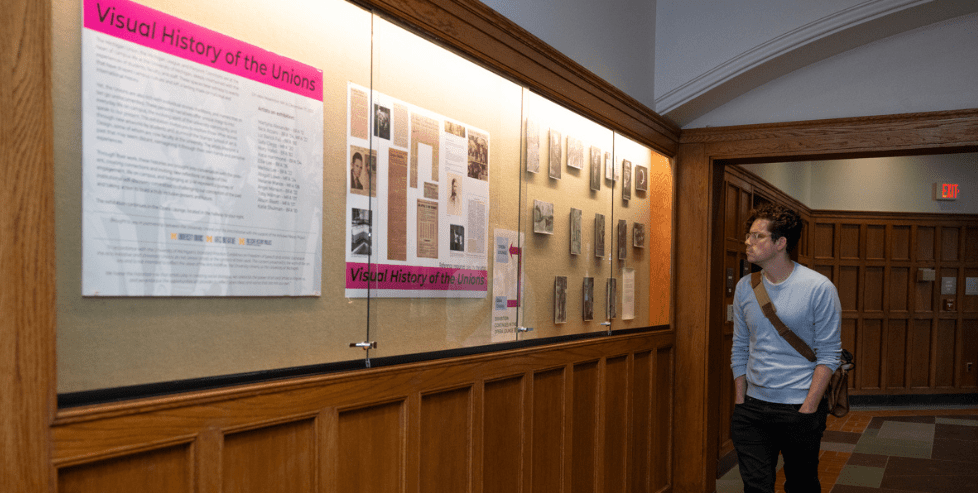
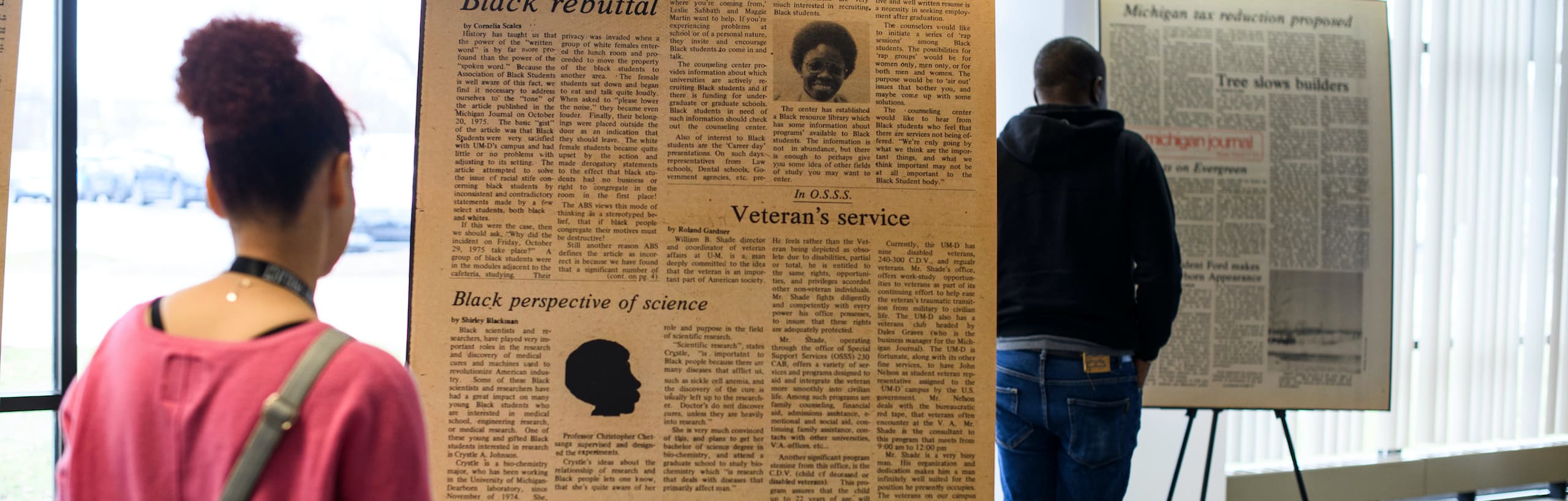
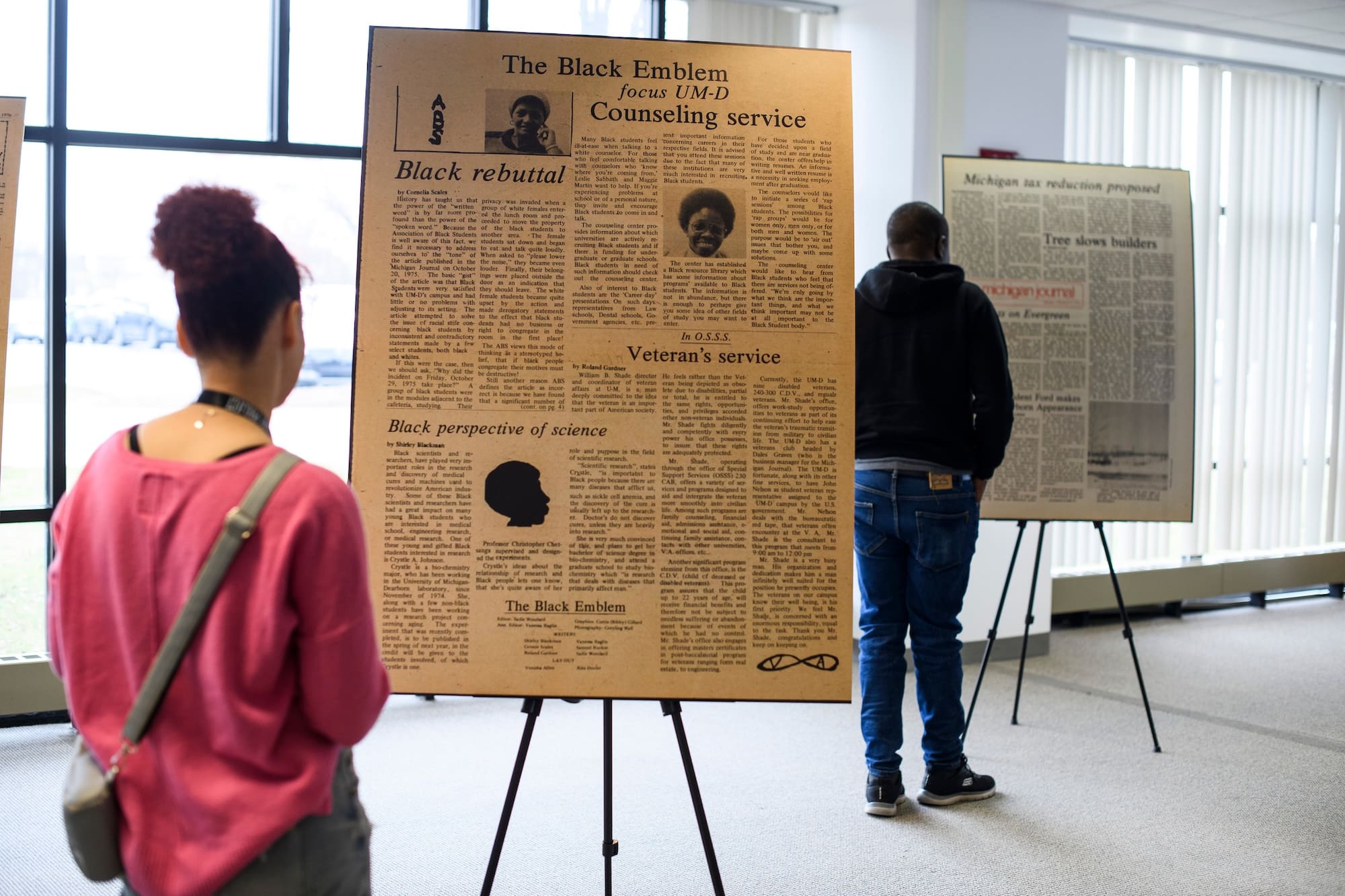
UM-Dearborn student newspapers showcased at the IHP Summit, 2025
Photo provided by Michigan Photography, University of Michigan. Photographer: Brittany Greeson
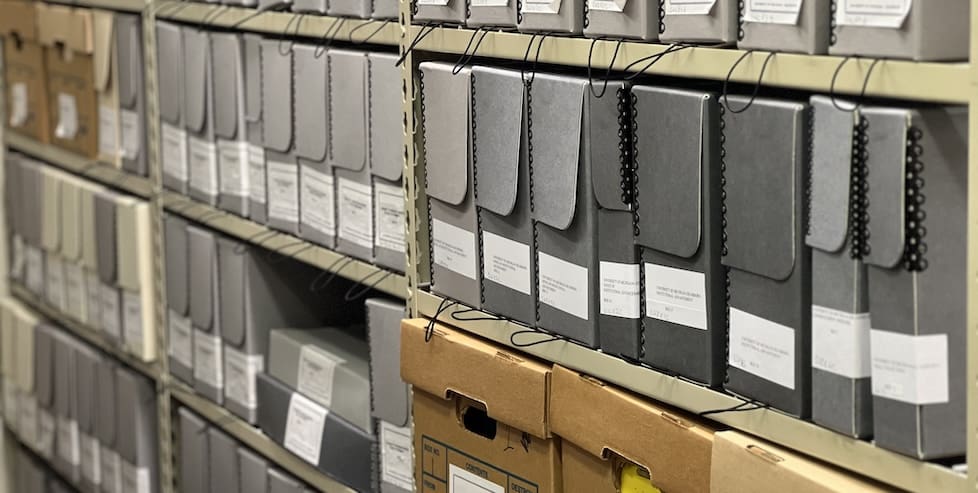
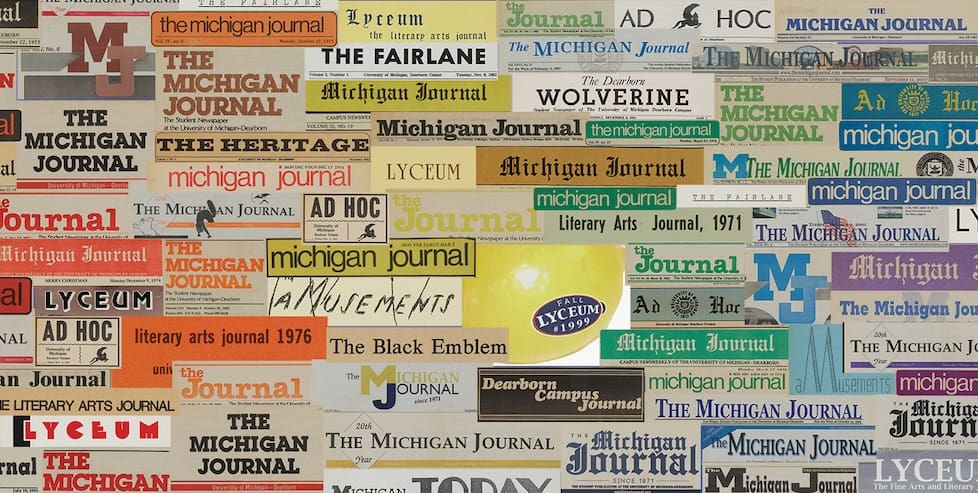
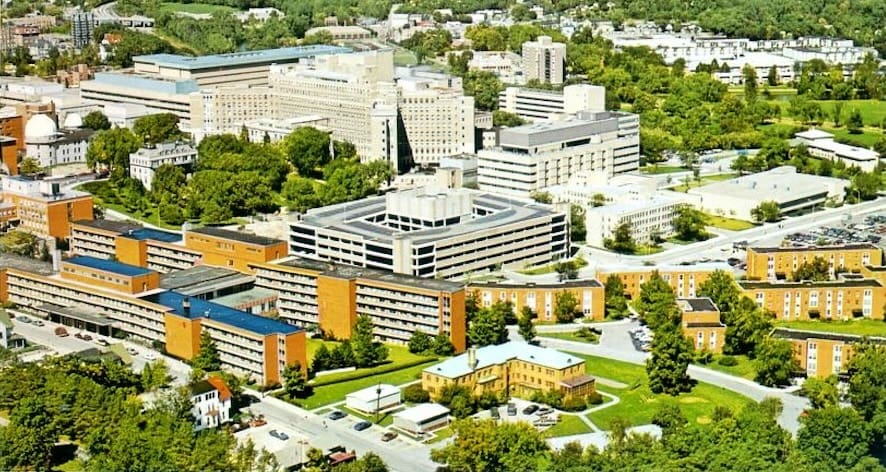
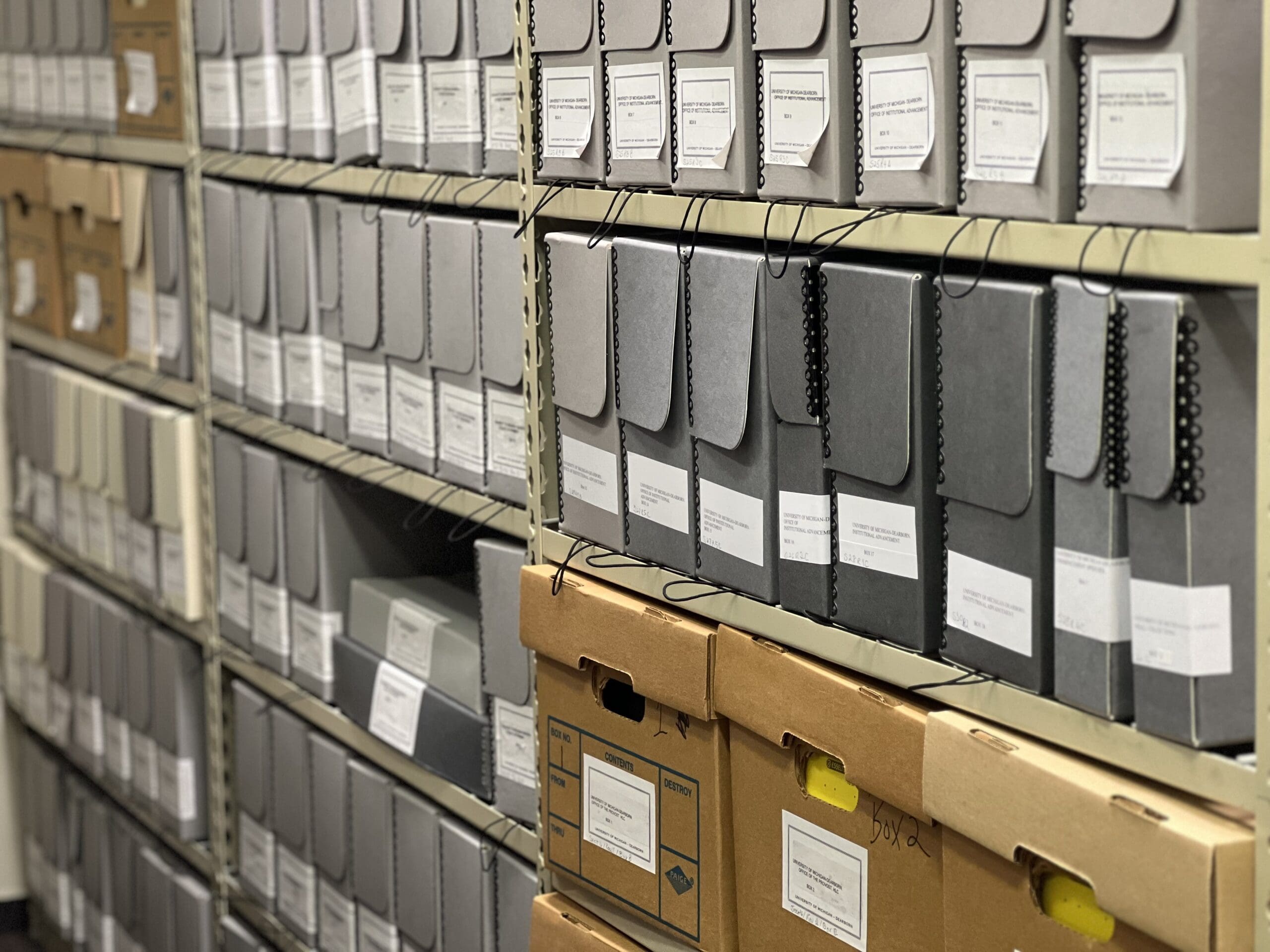
As part of its work on the UM-Dearborn campus, IHP is helping to fund the digitization of student newspapers published throughout Dearborn's past. This project is funded in partnership with the UM-Dearborn Mardigian Libraries. Samples from the digitized collection were showcased in an exhibit at the IHP Summit on April 4, 2025.
This page brings together new resources produced by the IHP and projects it has funded, including data visualizations, digital collections, panel discussions, articles, and more.
The resources shared here are the products of the rigorous historical research the IHP is currently pursuing across a number of large-scale projects as we work to gain a deeper and more complete understanding of the university’s history.
The IHP also provides support for faculty, staff, and students to design and undertake their own research and engagement projects, teaching initiatives, and other activities related to the IHP’s mission. Resources produced by these projects can also be explored below.
New resources will be added to this page as they become available. In the meantime, be sure to sign up for our newsletter to receive regular updates about the IHP’s ongoing research.
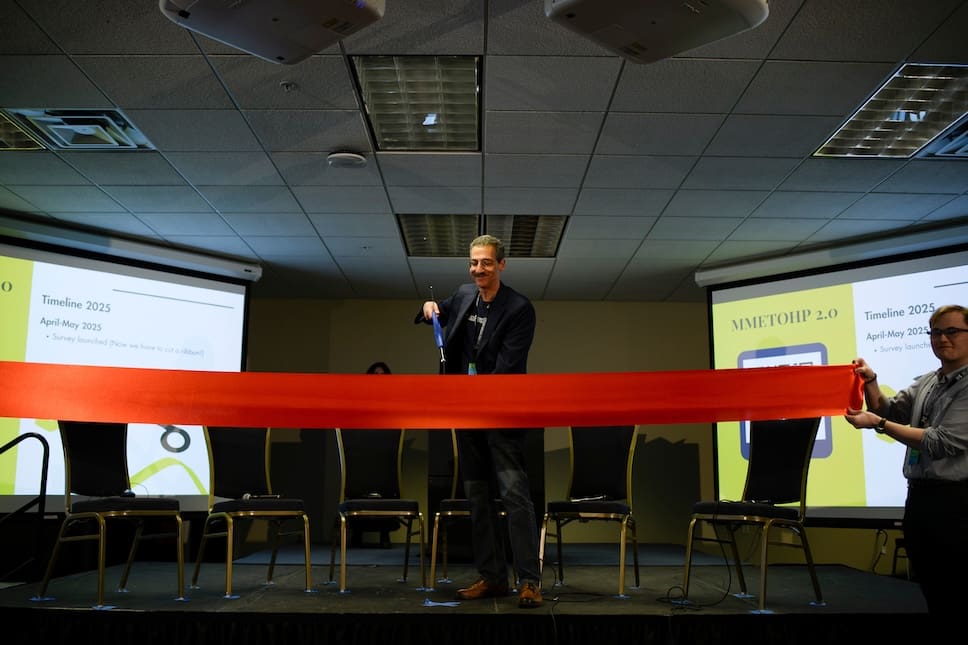
Photo provided by Michigan Photography, University of Michigan. Photographer: Brittany Greeson
Camron Amin, IHP Research Director on the Dearborn campus, cuts a ribbon at the 2025 IHP Summit to officially open The 1959 Project's Survey of Travel, Mobility, and the Campus Community.
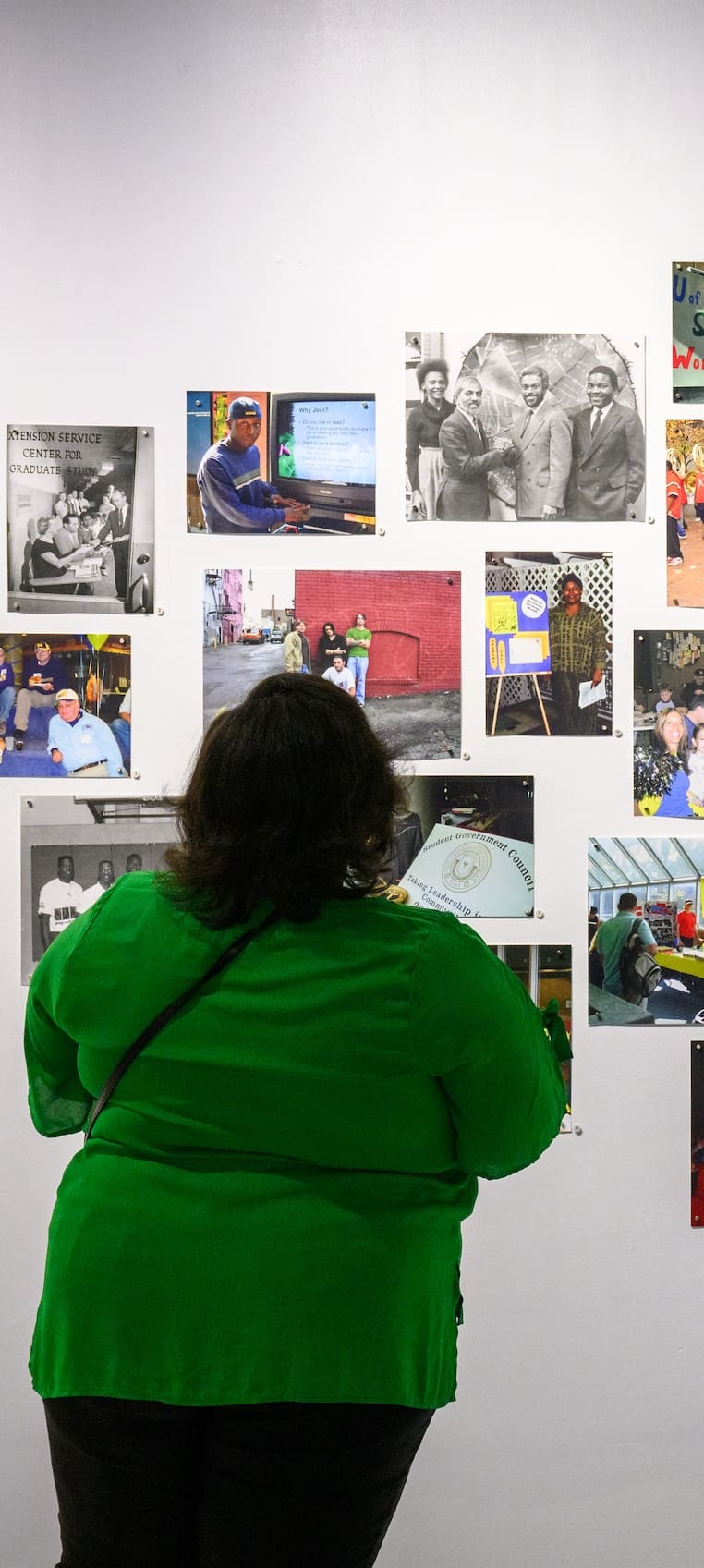
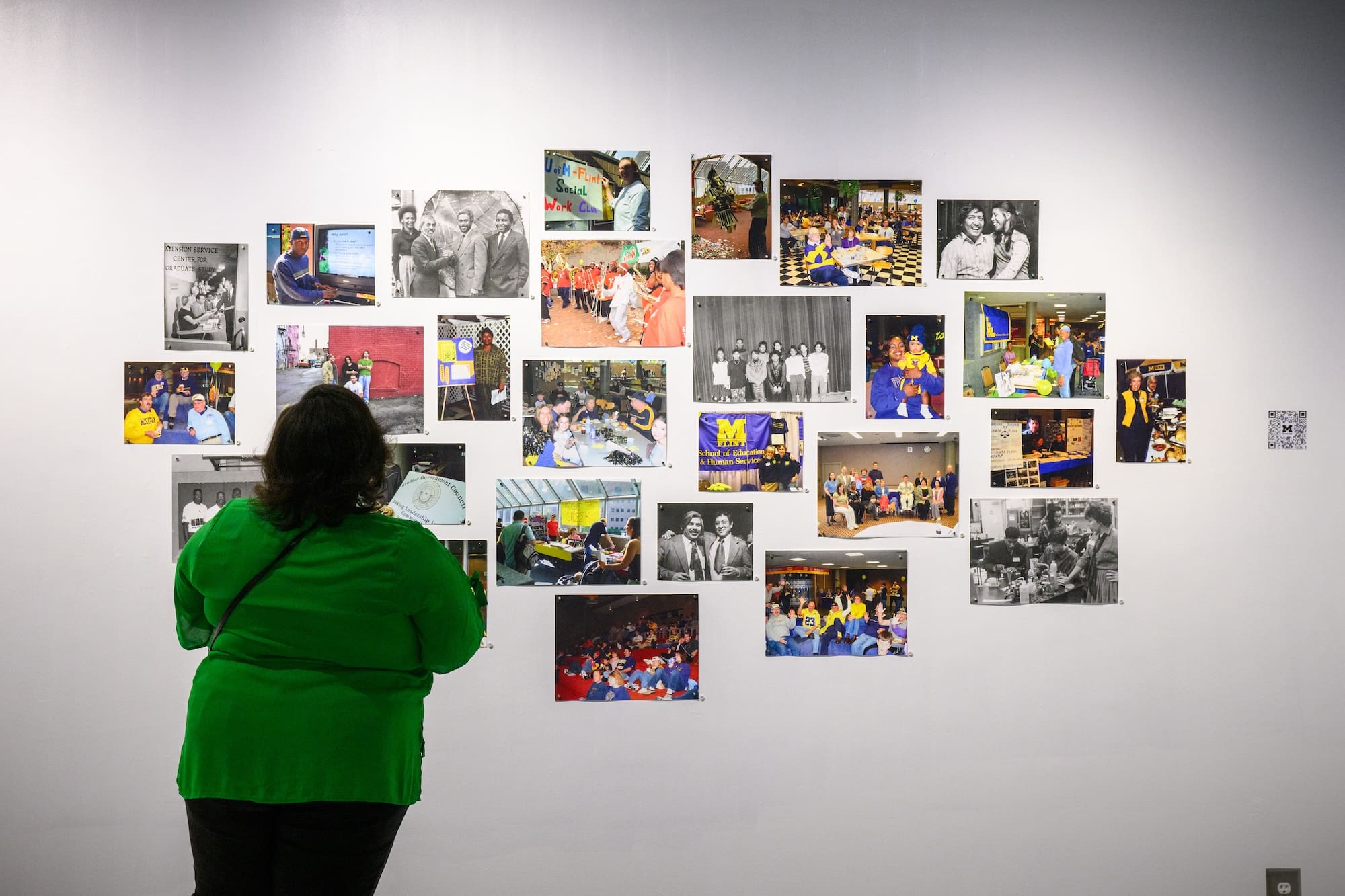
In Search of Memories: Exploring the Archival Gaps between Yesterday, Today, and Tomorrow exhibit at UM-Flint was an interactive exhibition that invited past and present UM-Flint community members to share their stories and fill gaps within the historical archives.
The IHP’s research stretches across more than a dozen projects and includes a number of related initiatives that also play a role in documenting and sharing the university’s full history. Explore new resources produced by the IHP to learn more about the university’s history.
Guide
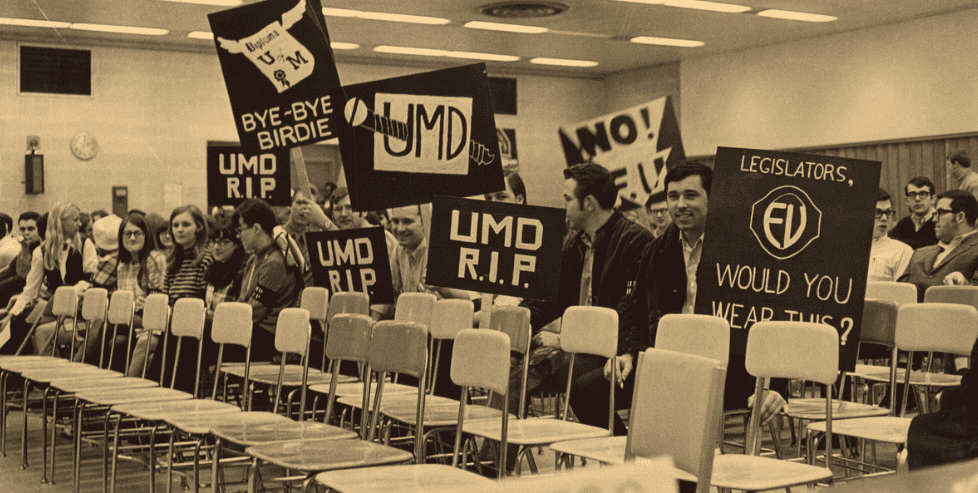
UMD R.I.P.! A Research Guide for Examining Student Activism on the Dearborn Campus, 1960s–1970s
The 1959 Project
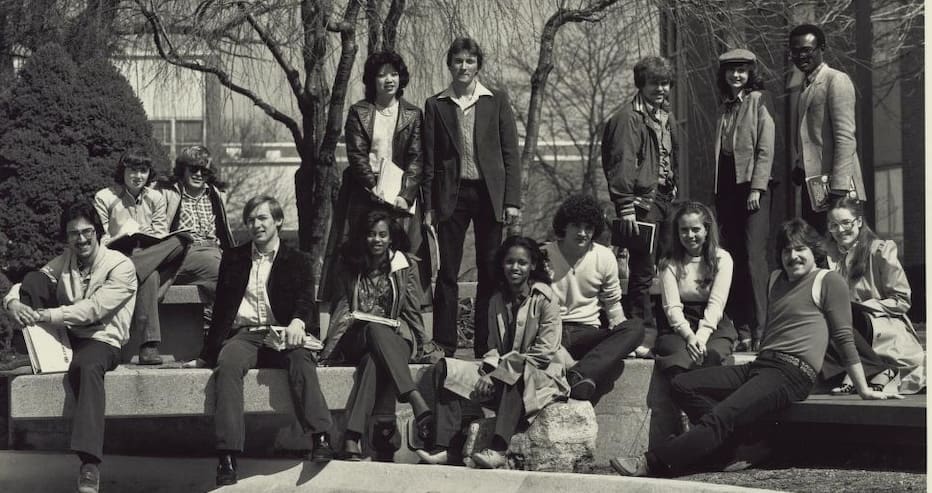
This guide focuses on the period from the mid-1960s to the mid-1970s, when much of the activism at UM-Dearborn was prompted by the Vietnam War, countercultural movements, and the Civil Rights Movement.
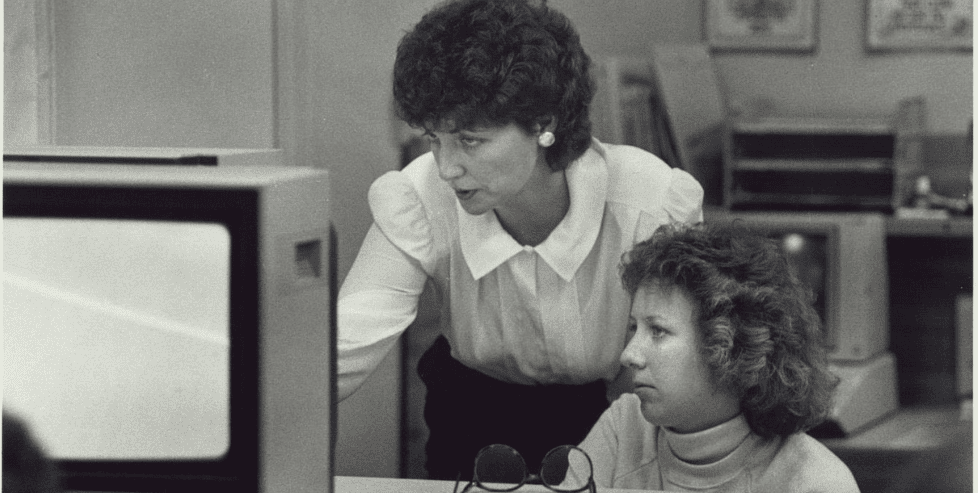
Hidden in the System: A Brief History of Women and Computing at the University of Michigan-Dearborn
The 1959 Project
This exhibition traces the evolution of computing at UM-Dearborn from the mid-1960s to the mid-1990s. During this time, computing transformations took place across colleges and universities nationwide, providing new opportunities for women students, staff, teachers, and administrators.
Living with Treaties: The 1817 Project, the University of Michigan, and the Western Expansion of the United States, held April 9-11, 2026, explored the role of treaties in the development of both the University of Michigan and the state of Michigan, while considering how their effects continue to resonate locally, regionally, and nationally today for an Indigenous present and future. Resources from the conference include panel descriptions and recordings, photos, and research posters by the 1817 Project’s undergraduate research assistants.
Women’s Liberation at the University of Michigan, 1968-72: Jewish and Other Identities in the Emergence of a Movement
Outsiders, Insiders
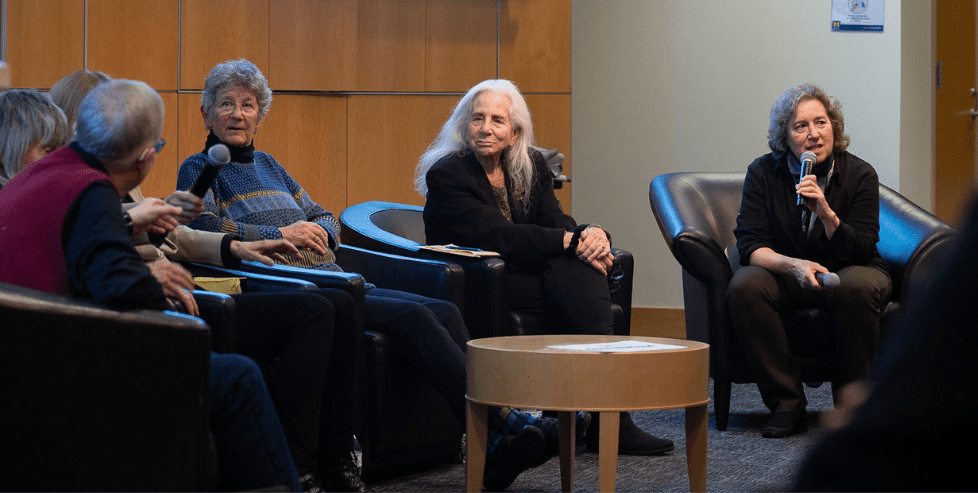
On November 12, 2025, the Inclusive History Project and the Jewish Communal Leadership Program co-presented a panel discussion with pioneering activists Gayle Rubin, Rayna Rapp, Ellen Meeropol, Beth Schneider, and Joanne Parrent. Together, they reflected on the rise of feminist consciousness and activism at U-M and in Ann Arbor from 1968–1972, exploring the central role of Jewish and other identities in shaping the movement.
African American Student Project Data Visualizations
African American Student Project
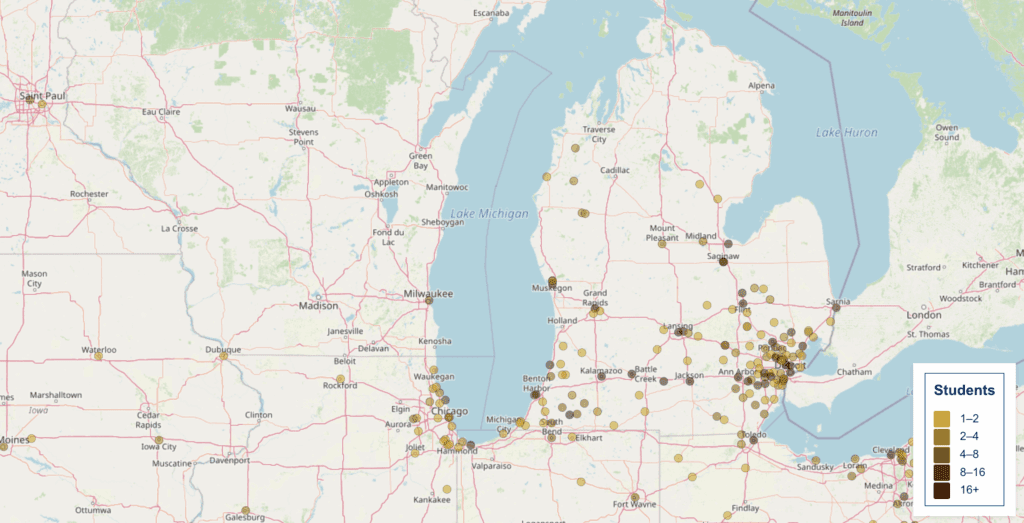
The African American Student Project, a project of the Bentley Historical Library that began research in 2016 and launched its database of African American students who attended UM-Ann Arbor in 2022, receives support from the IHP as an affiliate project site. IHP funding has enabled updates to data visualizations that integrate information from the AASP database with maps of Ann Arbor and the nation to show both where African American students lived while at U-M and the hometowns they came from. These data visualizations are a collaboration between Bentley researchers and University of Michigan Visualization Librarian Justin Joque and his team.
The 1817 Treaty of Fort Meigs and the University of Michigan: How Indigenous Land Became Institutional Property
The 1817 Project
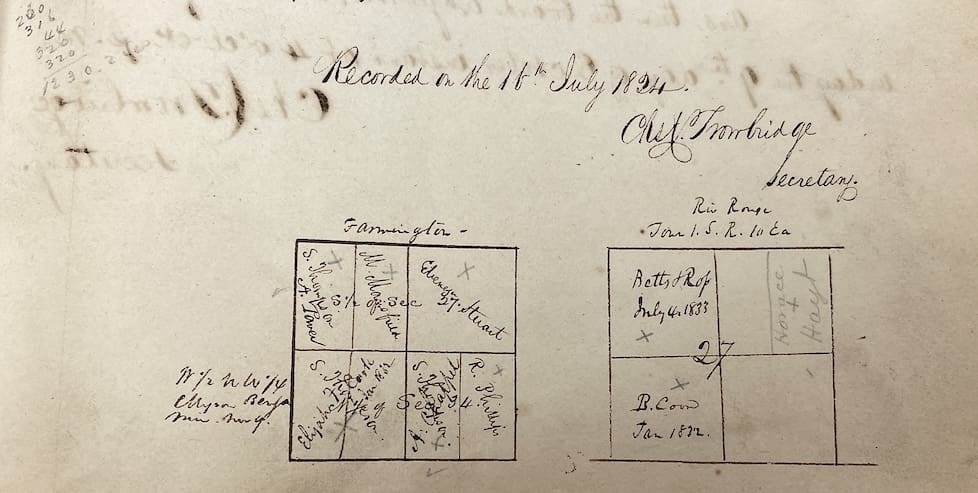
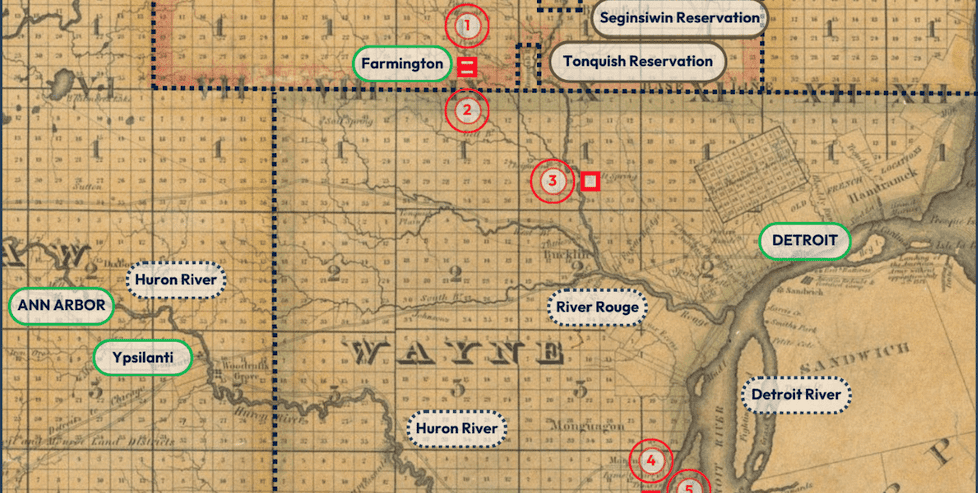
To formally take possession of the 1,920 acres of Anishinaabe land granted in Article 16 of the 1817 Treaty of Fort Meigs, the University of Michigan’s leaders had to operate within a property system established by the Continental Congress in the 1780s. The 1817 Project research team created an ArcGIS StoryMap to show how this system was implemented across the Michigan Territory, document its consequences for the area’s Indigenous people, and present a case study of its application to 640 acres of U-M’s land in Farmington, MI.
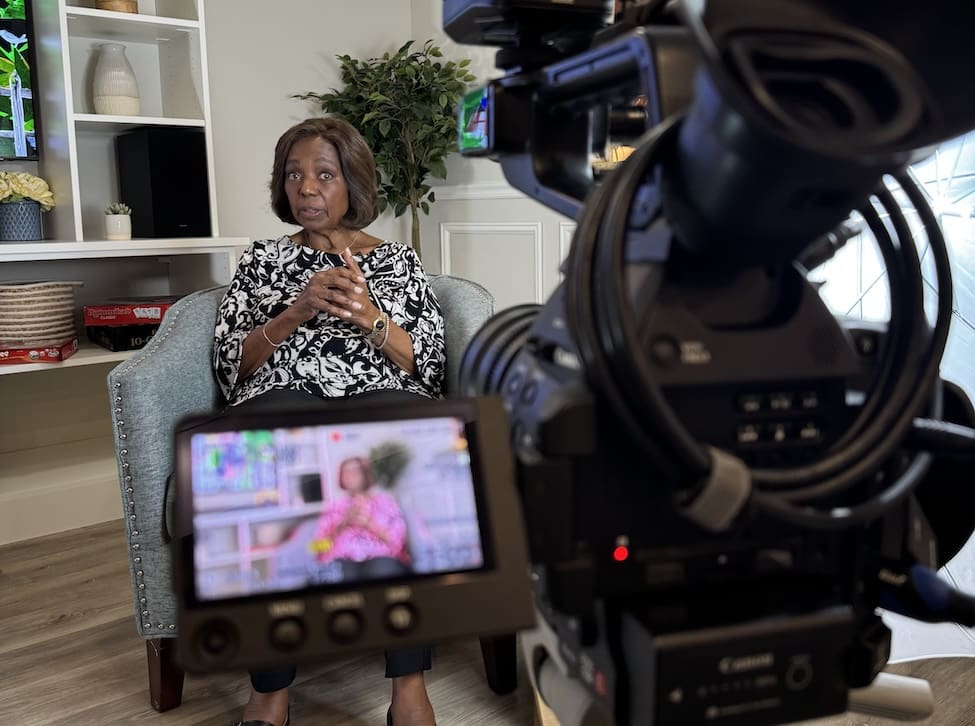
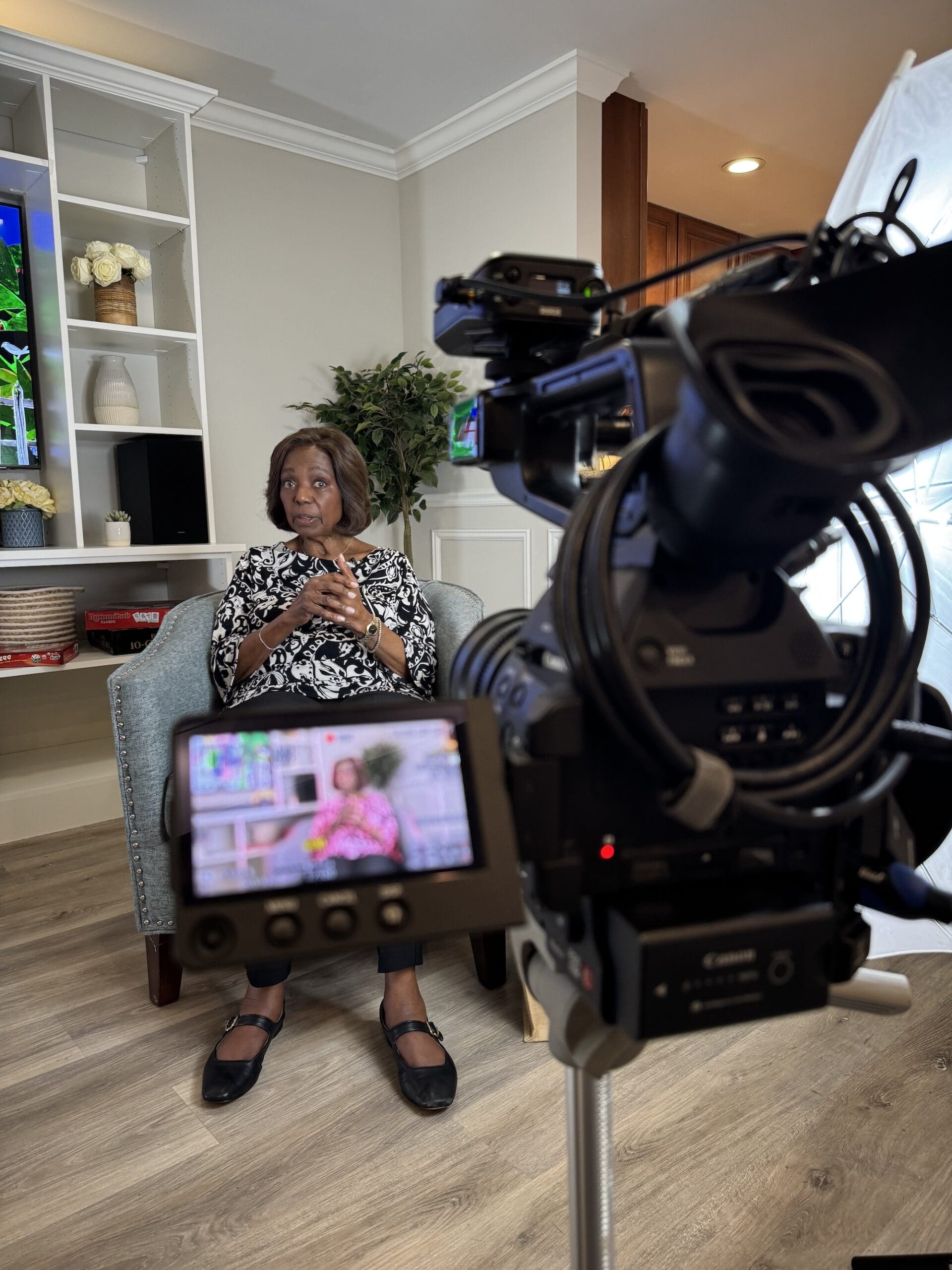
This new site provides free digital access to previously undigitized oral history interviews focusing on the history of UM-Dearborn. The interviews displayed on the site come from earlier initiatives by UM-Dearborn faculty, librarians, and staff to preserve institutional knowledge. Starting with those archived recordings, the 1959 Project research team utilized digital humanities tools, including the Oral History Metadata Synchronizer (OHMS) and Omeka S, to expand the usability of the legacy recordings. Access to these interviews is provided in partnership with the University of Michigan-Dearborn Campus Archive and Mardigian Library.
Visualizing the History of the University of Michigan’s Early Land Possessions
The 1817 Project
This visual report created by the 1817 Project research team contextualizes U-M’s acquisition of land in the early- to mid-19th century, including lands acquired through the 1817 Treaty of Fort Meigs. The report visualizes the landholdings and links them to the treaties that dispossessed Indigenous people and made land available for purchase and settlement.
On April 2, 2025, the Inclusive History Project and the Jewish Communal Leadership Program co-presented a conversation with world-renowned food writers and U-M alums Joan Nathan, Ruth Reichl, and Ari Weinzweig. The three writers discussed the rich cultural encounters they experienced as students in Ann Arbor and reflected on the ways their time at U-M in the 1960s and 1970s shaped their career trajectories.
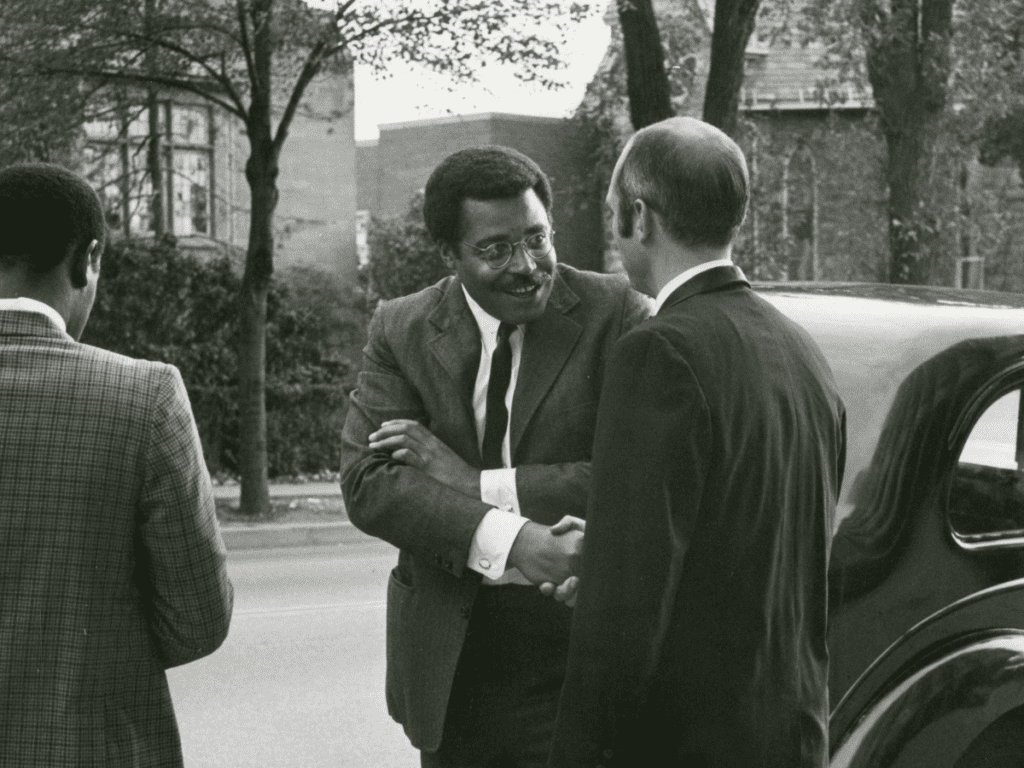
The legendary actor came to U-M to become a doctor. He left on the path to stardom. Read more from Lorena Chambers, IHP Research Fellow, in Michigan Alum.
The Story Behind James Earl Jones’ Narration of the Opening Video at Michigan Football Games
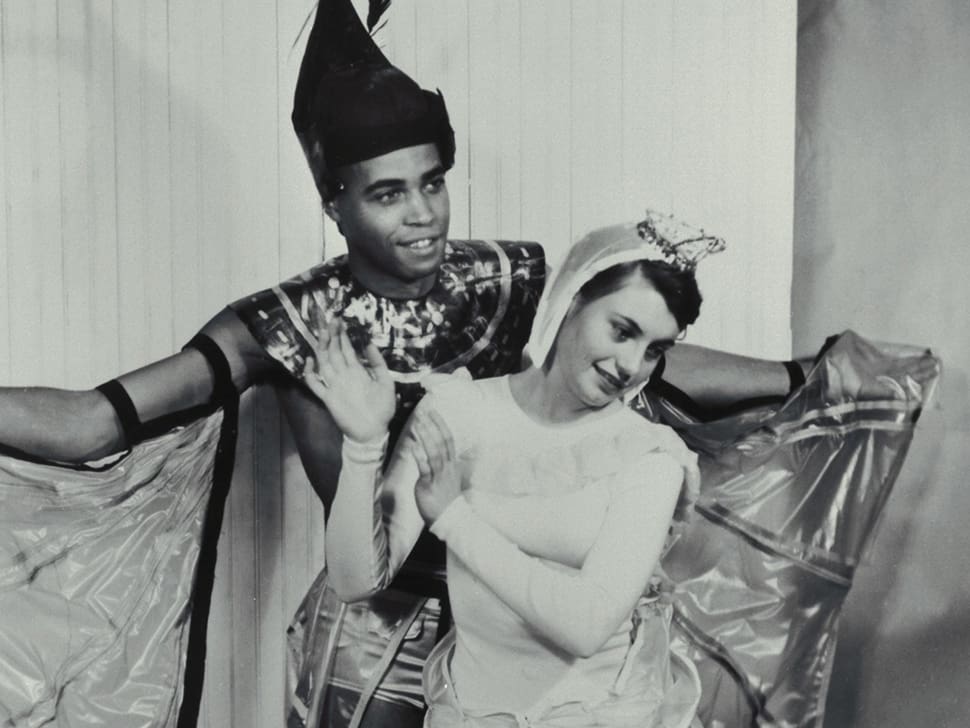
James Earl Jones’ narration of the opening video at Michigan football games brings his pride in his alma mater to life. But looking back at his undergraduate experiences is a reminder of often-contradictory moments of exclusion and inclusion at universities like Michigan over the past 80 years. Read more from Lorena Chambers, IHP Research Fellow, in TIME’s Made by History.
The Oral History Resources LibGuide, created by the IHP research team at the Dearborn campus, contains helpful resources for anyone looking to undertake the work of oral history. The guide unpacks the process and procedures used by the IHP team at UM-Dearborn and the 1959 Project to craft accessible and curated oral history collections with the help of digital humanities tools, including the Oral History Metadata Synchronizer (OHMS) and Omeka S.
The Native American Student Stories Project is a community history of the Native American Student Association (NASA) on the Ann Arbor campus of U-M. The website created as a result of this project is a living archive of memories, photographs, histories, and events shared by the Native American community at U-M. It also features a timeline of events, challenges, and triumphs that have shaped NASA’s journey.
In Search of Memories: Exploring the Archival Gaps between Yesterday, Today, and Tomorrow exhibit at UM-Flint was an interactive exhibition that invited past and present UM-Flint community members to share their stories and fill gaps within the historical archives.
Launched in 2023, the IHP Fund invites people from across the university to join our efforts to develop deeper knowledge of U-M’s history through an inclusive lens. Research projects, creative endeavors, new and redesigned courses, and engagement activities are currently underway, and public resources developed by completed projects are collected below.
Short Film
Swallows Under Eaves
Research & Engagement Fund
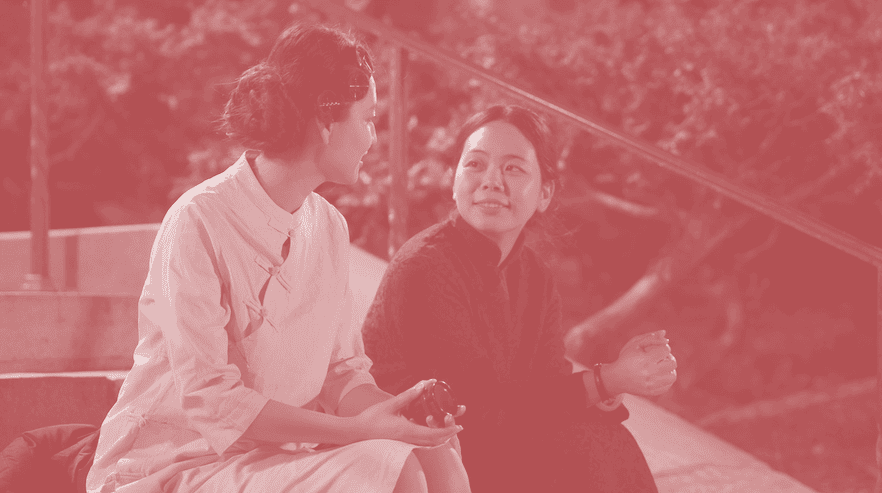
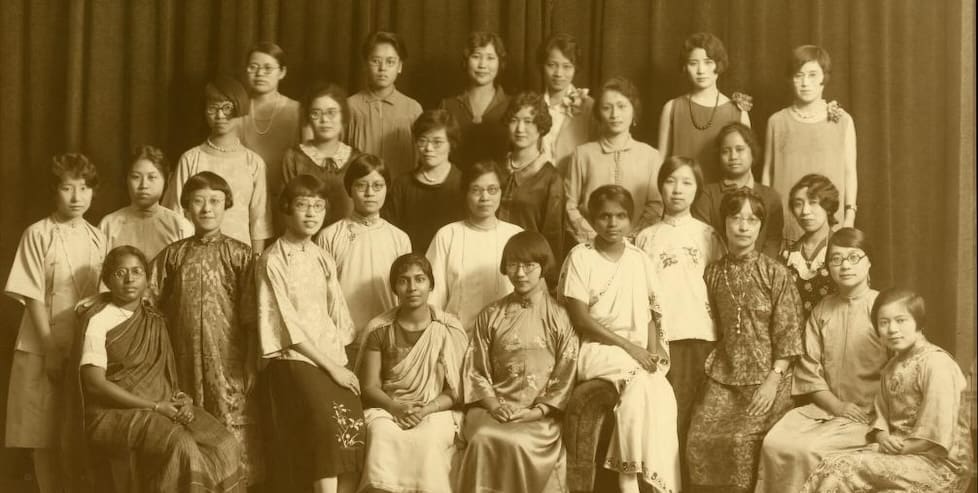
This historical fiction short film explores the journey of self-discovery of Wu Yi-Fang, a distinguished Chinese female scholar who studied at the U-M in the 1920s via the Barbour Scholarship, later becoming the first female college president in China. Yi-Fang’s personal journey is representative of the broader struggles faced by many women of the early 20th century who sought higher education and encountered cross-cultural challenges.
This digital collection includes over 1,300 issues of the University of Michigan-Dearborn’s student newspapers and literary journals dating from 1962 to 2024, including the long-running The Michigan Journal and Lyceum. These works capture over 50 years of student journalism, creativity, and perspectives, as well as insight into the history of University of Michigan-Dearborn as a whole. All student newspapers are browsable and keyword searchable to the public. Access to literary journals requires a U-M login or to be on U-M Wi-Fi. This project was completed by the Mardigian Library with support from U-M Library’s Digital Content and Collections team and funding from the IHP.
Architects of Change: The Legacy of White & Griffin (Michigan’s First Black Architects)
Research & Engagement Fund
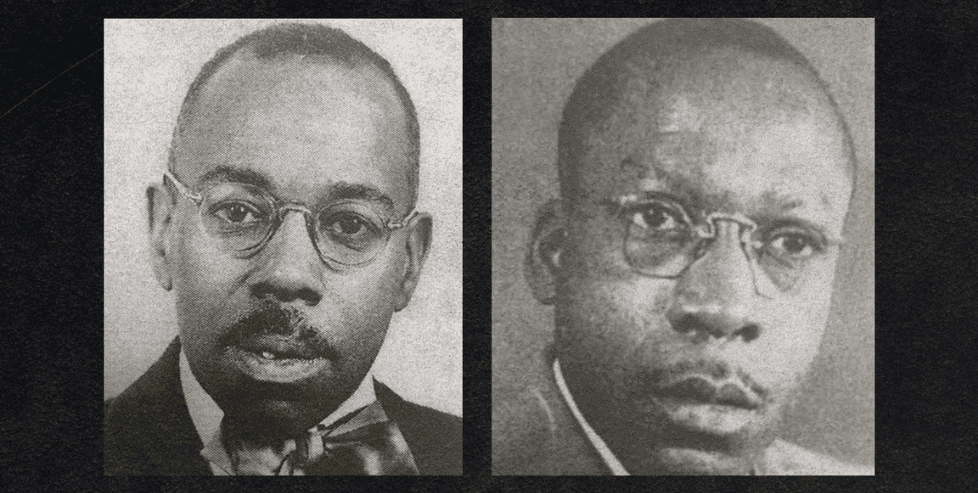
This StoryMap, created through a project co-led by Wallace Bowie III, documents the legacies of Donald F. White and Francis E. Griffin, Michigan’s first licensed Black architects and two of the earliest Black graduates of U-M’s College of Architecture. It features photographs, biographies, archival research, and interactive 3D scans of St. Paul AME Church and Russell Street Baptist Church.
Politics of Ambivalent Hospitality: Shifting Positions Toward International STEM Students in U.S. Federal Policy
Research & Engagement Fund
Judy Kim’s journal article investigates how U.S. federal policies impacting international STEM students evolved from the post-World War II era to the 2020s. Using ambivalent hospitality as a lens, the study examines how these policies position international STEM students. This research enabled Kim to assess the extent to which international STEM student mobility at the University of Michigan reflected broader trends.
STEM Outreach at UM-Dearborn: Historical Trends, Faculty Perspectives, and Scalable Strategy Design
Research & Engagement Fund
This conference paper, authored by Xiao Zhang’s project team and colleagues, presents findings from a dual-focused study of STEM outreach at the University of Michigan–Dearborn. The study explores how UM-Dearborn’s historical outreach legacy can be integrated with faculty survey results to identify effective, scalable strategies for K-12 STEM engagement.
SCOR 2026 Social Justice Symposium: Sankofa: Honoring the Past to Strengthen Future Democracy
Research & Engagement Fund
On April 1, 2026, the Students of Color of Rackham (SCOR) presented a symposium exploring a central question: How can university communities draw upon their histories of activism, advocacy, and democratic participation to build a more equitable and inclusive future? Panel discussions, flash talks, and interactive workshops created space to reflect on how movements for racial and social justice have shaped higher education and to envision new strategies for democratic engagement today.
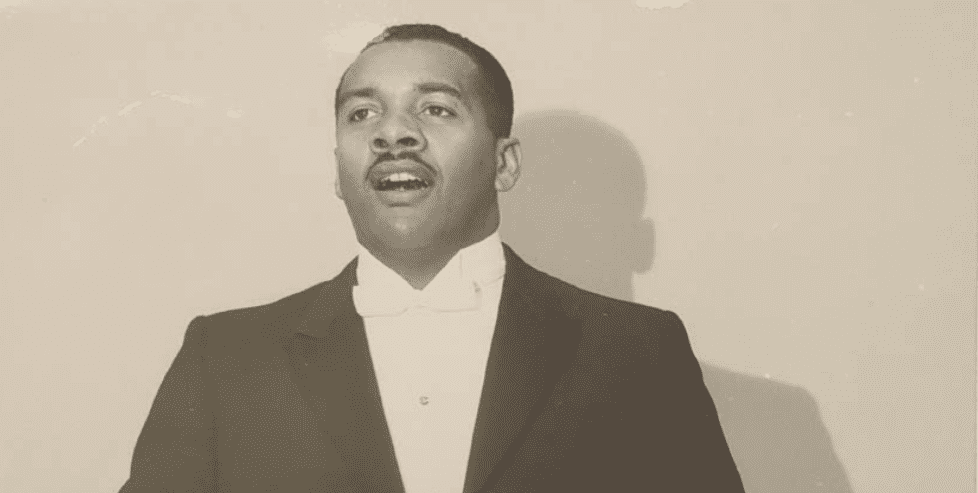
Harmonizing Change: A Case Study of Social Justice History at SMTD
Research & Engagement Fund
This project explores and documents the history of student and faculty advocacy within the School of Music, Theatre & Dance (SMTD) at the University of Michigan. It examines the past achievements that resulted from student and faculty activism for increased diversity in SMTD curricula, using Willis C. Patterson, Professor Emeritus of Voice and former Associate Dean, as a central case study. Through archival research, oral histories, and public engagement, Harmonizing Change highlights the contributions of underrepresented groups to social justice advocacy within SMTD.
Fourteen Stamps artists, graduating between 1982 and 2026, created new work about the history of the Michigan Union and League, as centers of university life. Alison Rivett (MFA ‘07), Associate Director of the Arts Initiative, shared a list of hundreds of resources to give each artist as a sample of the kinds of stories the artists could consider. The artists were invited to reimagine our shared history, highlighting the less known stories from our institution’s past. The project was produced in part with support from the IHP Research & Engagement Fund.
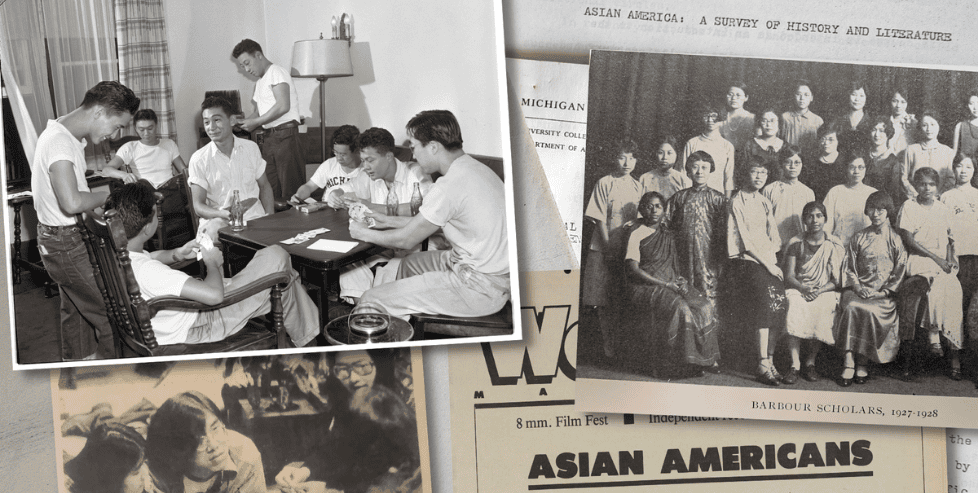
Asian American Histories at the University of Michigan
Teaching Fund
This project led by Manan Desai includes eleven exhibits describing the trajectory of Asian and Asian Americans at UM-Ann Arbor from the late 19th century to the present. Exhibits trace histories of organizing in the 1970s, early collaborations with international students, LGBTQ+ activism, and multicultural spaces. The project was produced in part with support from the IHP Teaching Fund for American Culture 301: The History of Asian Americans in Michigan (Ann Arbor campus).
A Disorientation Tour of the University of Michigan
Teaching Fund
This digital companion to a campus tour developed by Tonya Kneff-Chang is meant to accompany users during their exploration of the history of the University of Michigan and the Ann Arbor campus, with a particular emphasis on the role of Michigan Medicine. The project was produced in part with support from the IHP Teaching Fund for Medical Administration 7300: History of Race and Racism in Medicine (Ann Arbor campus).
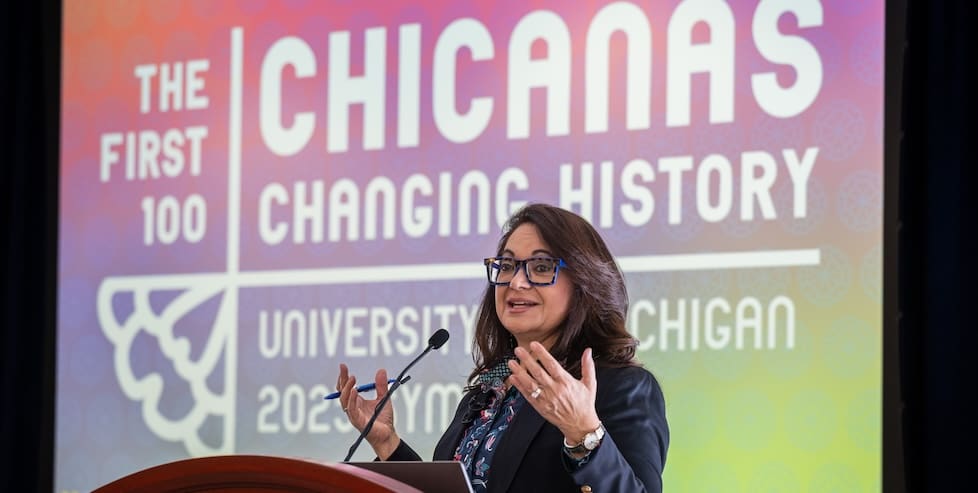
This archival project led by Lorena Chambers, IHP research fellow, seeks to document how Chicanas have transformed the way we analyze and write history as well as who is included in U.S. history. Video oral histories are available through a digital collection at the University of Michigan Library, which is funded in part by the IHP, and include U-M alum Natalia Molina and former U-M faculty member Maria Montoya.
Asian American Cultural Performances & Shows at the University of Michigan
Teaching Fund
This digital archive produced by Amy Stillman and students from American Culture/Asian Pacific American Studies 352 over the course of twelve years (2013-2025) brings together information about student organizations, links to recorded performances, performance programs, articles from the Michigan Daily, and student research conducted in the course. The archive is organized so that users can see materials from a range of student orgs, ongoing and now inactive shows, and performance groups on the Ann Arbor campus. The project was produced in part with support from the IHP Teaching Fund.
The IHP is working across a number of different projects to produce new resources for learning about the university’s inclusive history, with more work to share coming soon!
The IHP is currently at work on a range of research outputs, including exhibitions, edited volumes, peer-reviewed essays, digital platforms, podcasts, and more–all of which we are looking forward to sharing!
Projects from across the university funded through the IHP Teaching Fund and the IHP Research & Engagement Fund also continue to produce a range of resources and compelling public programs.
The History of U-M website collects and links to a range of resources for learning more about the university’s past, from oral histories to exhibits and databases to timelines. Begun by the Bentley Historical Library, the site originally sought to continue the momentum of the university’s bicentennial celebrations in 2017. In 2024-25, the IHP partnered with the Bentley Historical Library and the History Department on the Ann Arbor campus to expand the resources available on the site and to make exploring and searching those resources easier. The redesigned and expanded History of U-M website launched in August 2025 with over 150 projects and 900 publications included in the site’s searchable database, and a selected list of even more resources to explore.


 Close
Close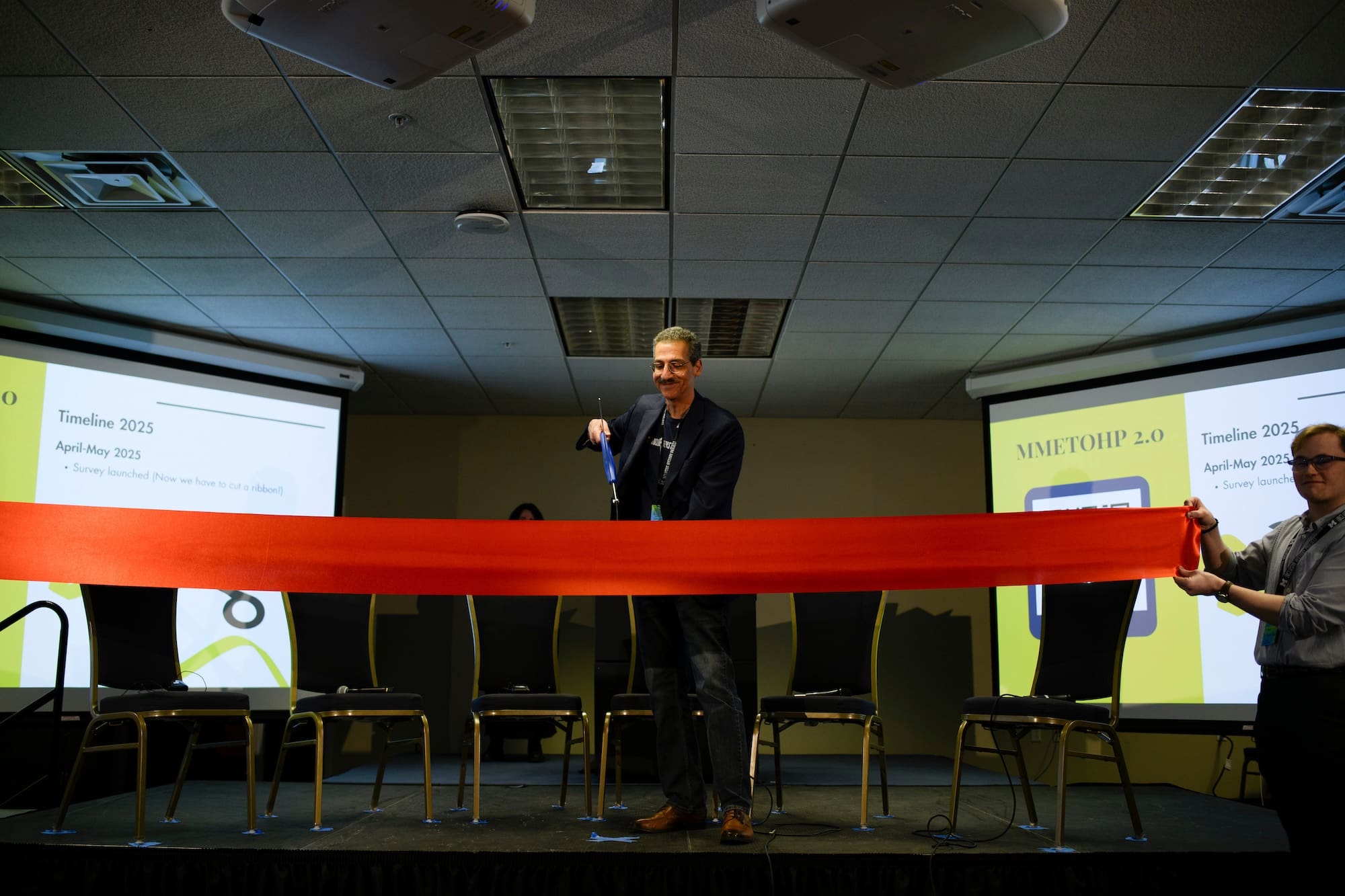
![Haven Hall [Law Building] Library interior](https://inclusivehistory.umich.edu/wp-content/uploads/2024/01/haven-hall-law-building-library-interior.jpg)
![Haven Hall [Law Building] Library interior](https://inclusivehistory.umich.edu/wp-content/uploads/2024/01/haven-hall-law-building-library-interior-pop-up.jpg)