Since the launch of the IHP Teaching Fund in 2023-24, the IHP has made close to 30 grants to support undergraduate and graduate teaching about U-M’s history across our campuses. More than 400 students have enrolled in those courses and thereby contributed to the IHP’s mission to expand knowledge and understanding of U-M’s full history.
They’ve done so by digging into archives, collecting oral histories, producing exhibits and performances, and more. Students in courses supported by the IHP have not only learned more about U-M’s past: they have helped to create and share knowledge about parts of U-M’s history that should be better known.
Courses funded by the IHP extend well beyond the departments and schools and colleges where you might think you’d find them. These include courses offered in Business Administration, Social Work, Architecture, Health and Human Services, Biology, Environment and Sustainability, Philosophy, Arts Administration, and Theatre and Drama–as well as in History, American Culture, Africana Studies, Anthropology, and Women’s and Gender Studies.
This guide draws on the wide-ranging knowledge and expertise of the faculty who have taught courses supported by the IHP to offer advice, resources, and road-tested strategies. We aim to show how you too can teach a course that incorporates U-M’s history to advance your course goals and objectives–while also helping students to better understand their university and to see themselves as part of its story.
Reasons to teach a course that includes U-M’s history
Our granting program makes possible a range of outcomes in the classroom and beyond. Faculty report that IHP Teaching Fund grants give them permission to think more creatively, broaden the scope of their courses, and develop new curricular activities to activate experiential learning. Across funded courses, students deepen training in skills aligned to course objectives, become active writers and interpreters of U-M’s history, and engage communities in understanding our institution’s past and its contemporary effects.
Grantees have told us that these courses have the following benefits:
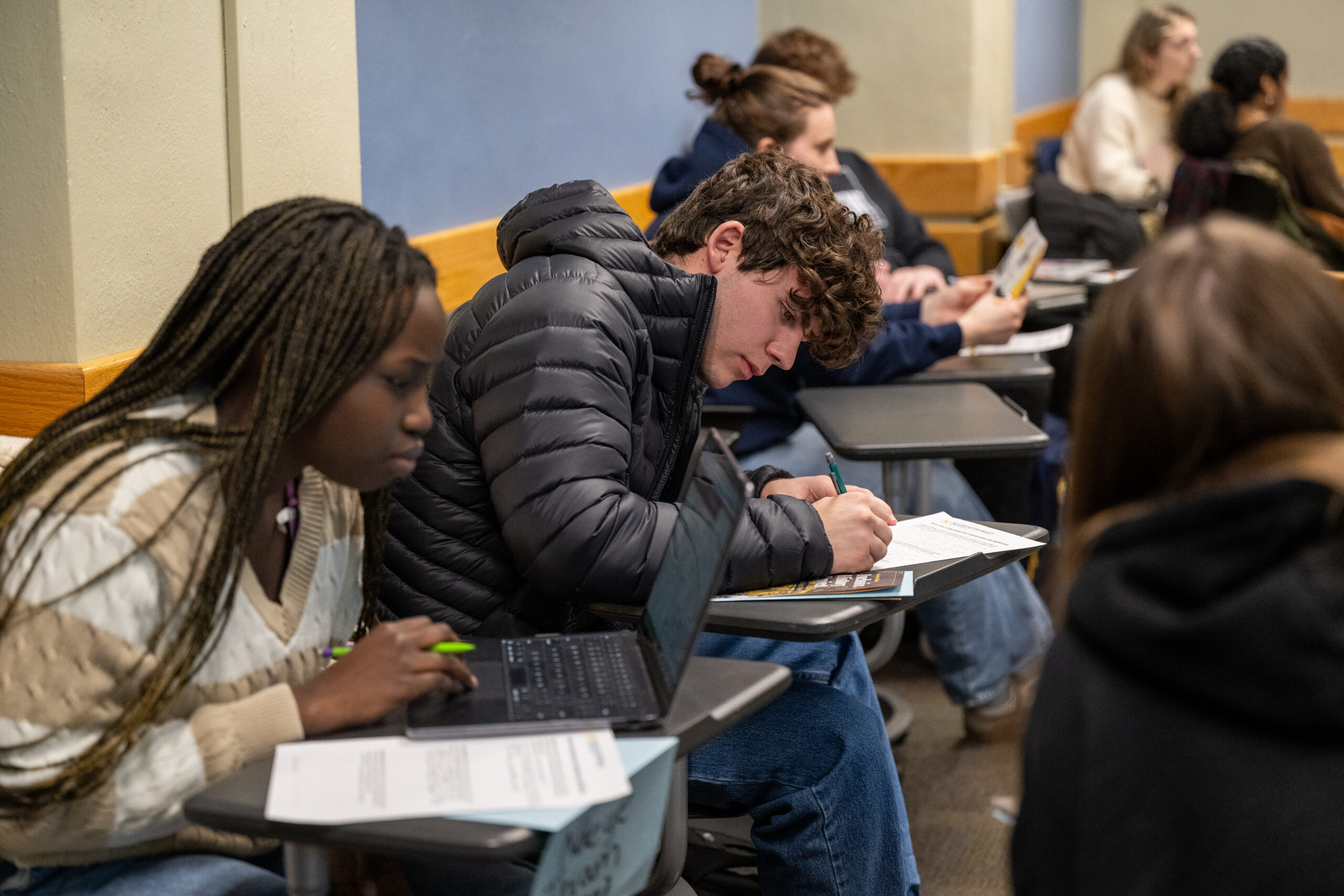
– Active engagement with institutional life, histories, spaces, figures, and rituals helps students feel more connected to campus and develop a more holistic understanding of the university’s history. In some instances, the collective study of U-M history has built community across students of different majors, backgrounds, and class years.
– Across disciplines, students have engaged in primary source research, community-engaged work, and humanistic and historical inquiry, while developing a host of additional skills that aligned with course objectives.
– For many students, research in archives is a new, tactile, and immersive learning experience. Through the process of conducting meaningful research, students develop a deeper appreciation for research methodologies and the challenges and opportunities they present for researchers and practitioners in the field.
– Students have learned from a variety of sources and experiences, ranging from engagement with local performances and music practitioners to interviews with current and former U-M faculty.
– Faculty have highlighted the value of student participation in public events to share their research and findings with broader communities. Public engagements have taken a range of forms, including student presentations at off-campus community events and smaller-scale on-campus showcases. In addition to activating student research, these engagements have facilitated learning about and communicating U-M’s history while positioning local and U-M community members as interlocutors.
– Courses partnering with community members and organizations have reported expanded connections to local community and, in one case, a long-term partnership and volunteer opportunities for students.
– In many courses, students have produced shareable, public-facing projects to support learning about U-M history and extend their findings beyond the classroom.
– Student work has also expanded existing archives and laid foundations for future research, reflecting students’ positioning as knowledge producers in funded courses.
Strategies for teaching a successful course
Past IHP Teaching Fund awardees share some of the strategies they have found contributed to the success of their IHP-funded courses. Please see below some of the considerations, methods, and approaches that could be applied to your course.
– Engaging in conversations with previous grant winners to gain insight is a great way to develop your course. The IHP will hold a workshop in the spring or summer to enable new grantees to hear from past grantees and discuss questions, strategies, and approaches to their courses. We can also facilitate individual connections with past grantees, so please reach out to us if you would like to be connected with someone.
– One grantee recommended teaching IHP-supported courses in the fall semester in order to have the whole summer to design the course.
– While grantees do acknowledge that developing or redesigning a course requires a lot of planning, they found that this process and its results were largely successful in enriching student experiences, preparing students for future professional endeavors, strengthening and broadening students’ research skills, and getting students more engaged in the course material.
– Many grantees have found that engaging with students beyond the traditional classroom setting enables them to better connect with the material.
– Grantees have done so in a variety of ways, including campus tours and visiting archives. One grantee suggested having students meet with community-based historians as another way to help students engage with the history of spaces and places beyond the classroom.
– One grantee invited students to serve as volunteers at the unveiling ceremony of a historical marker in Detroit honoring a key figure in the course. This public history event allowed students to directly connect classroom learning to civic engagement and community remembrance.
– Grantees encourage leveraging the offices and resources around campus to support and enhance courses.
– One way that grantees have leveraged resources is by inviting guests to speak in class sessions, enabling different voices and ideas to be brought into conversation with the course content.
– Some of the institutions that instructors have engaged include:
– On campus: colleagues from U-M Libraries, LSA Technology, the Bentley Historical Library, the University Musical Society (UMS), and the University of Michigan Museum of Anthropological Archaeology (UMMAA)
– Off campus: the Arab American National Museum, the Latinx Technology & Community Center, the Arab American Heritage Council, alums, Michigan State University Extension, local musicians, the University of Pittsburgh, American University, TeAda Theater, Andy Arts Center, the Cranbrook Art Museum, the African American Cultural & Historical Museum of Washtenaw County, the Woodlawn Cemetery Restoration Project, and local historical archaeology labs
– Instructors emphasize the importance of recognizing the limits of the capacity of both themselves and of students when incorporating new projects into courses.
– Approaching this process as a reflective and iterative process is useful, and adjusting plans as necessary depending on how they play out in the classroom will make the process more manageable.
– One grantee recommends scaling back some of the more ambitious group projects. They suggest having the final project due weeks ahead of the end of the semester, which allows students to have enough time to engage in edits.
– For grantees redesigning existing courses, one previous grantee suggests considering how to design a project that will enhance new student outcomes without detracting from existing course objectives.
– Grantees have found it useful to use U-M histories as case studies for broader histories being explored in their courses.
– Many IHP-supported courses produce public-facing deliverables, which can vary greatly in terms of scale and format. The Outputs section of this page highlights this wide range.
– Some grantees have used their grant funds to hire a student from the course as a research assistant to wrap up the semester’s work and put any finishing touches needed on a public project emerging from the semester.
– Regardless of the specific methods used in the course, grantees found it beneficial to use a variety of methods to engage students with the histories of the university.
IHP class visits help students connect their individual IHP-supported course to the overarching goals and ongoing work of our university-wide project, helping them to see how their work matters to the university more broadly. Led by IHP team members, class visits offer background on the IHP, share our research about U-M’s past, and involve students through interactive activities to consider some of the IHP’s motivating questions and engage with primary sources that bring the university’s history to life. Class visits are optional, can be scheduled at any time during the semester, and range anywhere from 15 minutes to a full class period.
Sample syllabi from IHP Teaching Fund courses
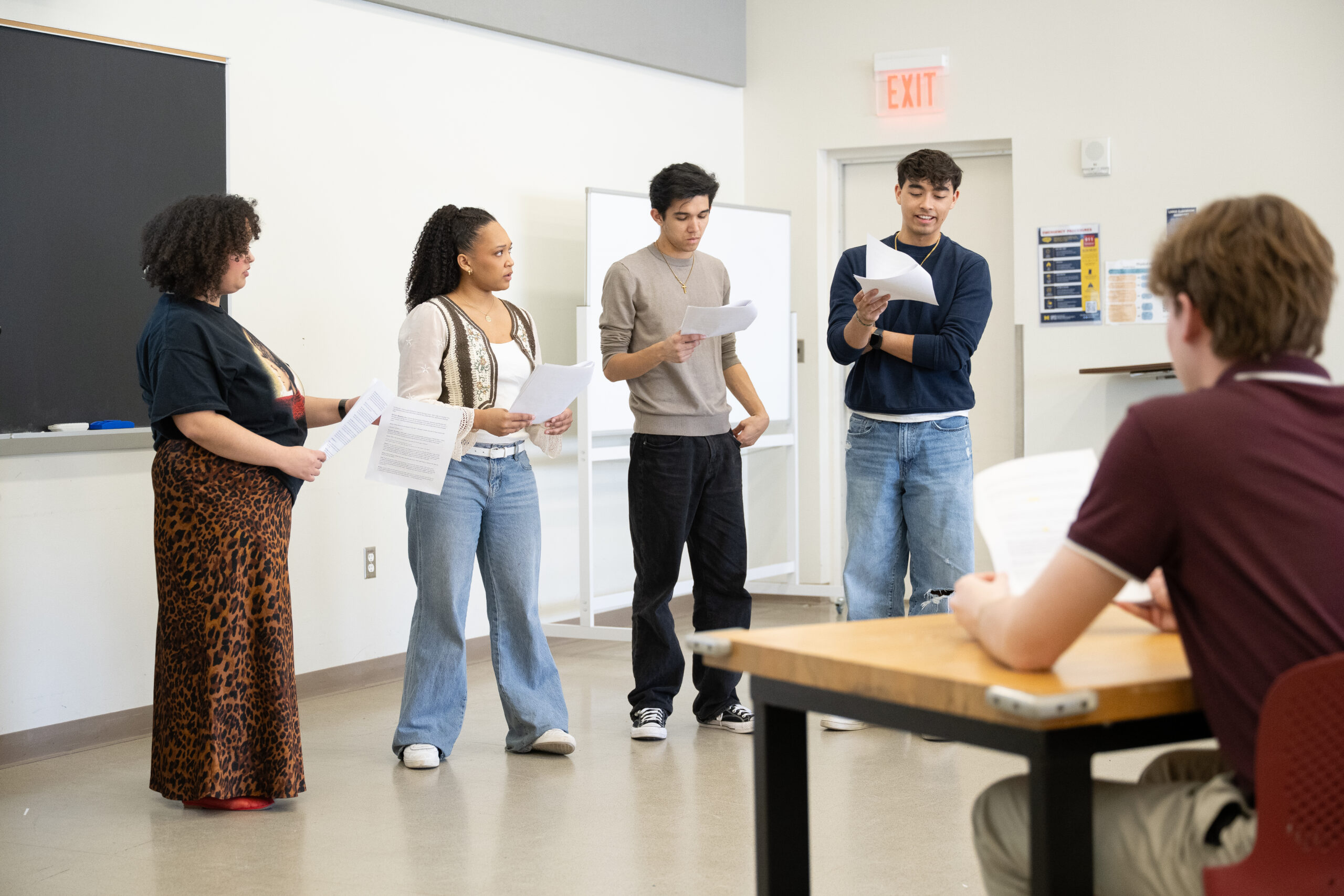
THTREMUS 322: Theatre History II, Winter 2026, UM-Ann Arbor
Teaching Fund grantees often use IHP funds to support the development of new assignments for their new or redesigned courses. Explore a selection of assignments that grantees have included in their IHP-funded courses, from creating a zine to writing a grant proposal.
IHP-funded courses have led to the production of a wide range of products. These range from student contributions to archives to scholarly publications by instructors to public-facing events. These outputs enable sharing of the work of IHP-funded courses beyond one semester and beyond those participating in a course, touching the broader U-M community and beyond. They also represent the lasting impact of all the hard work that goes into creating or redesigning these courses.
One student’s pursuit of records pertaining to how sexual assault cases have been handled on their campus led to a new relationship between campus safety and the campus archives, which will regularly result in records transfers.
Students produced research guides and identified additional provenance information for certain collections, which will now be added to those collections’ archives.
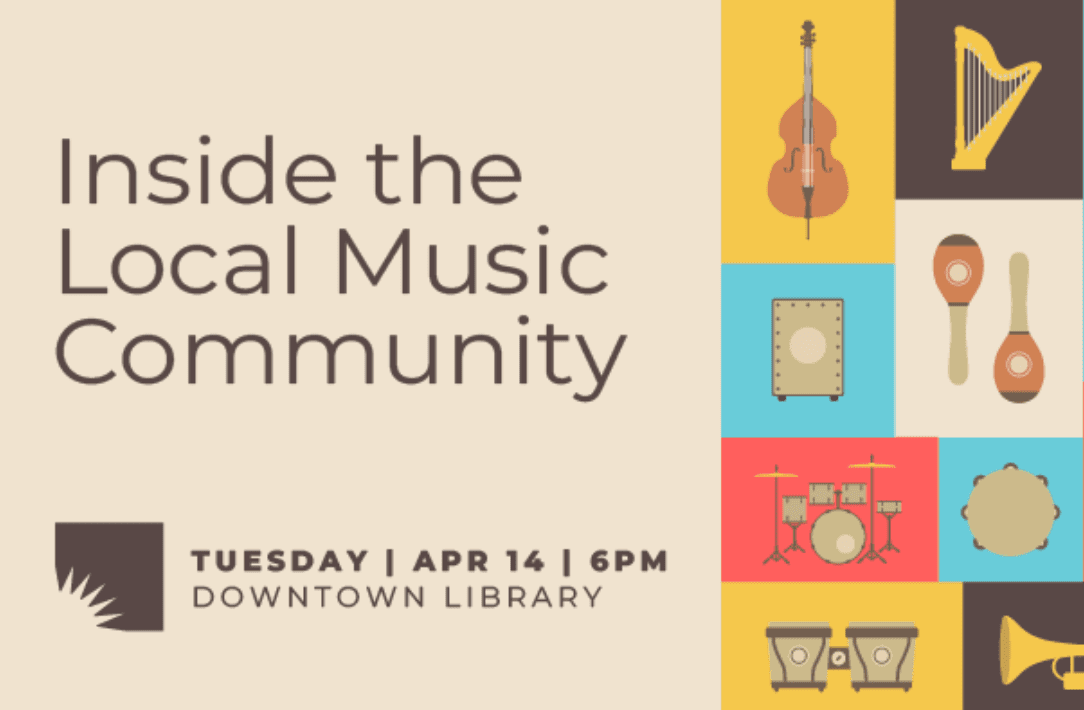
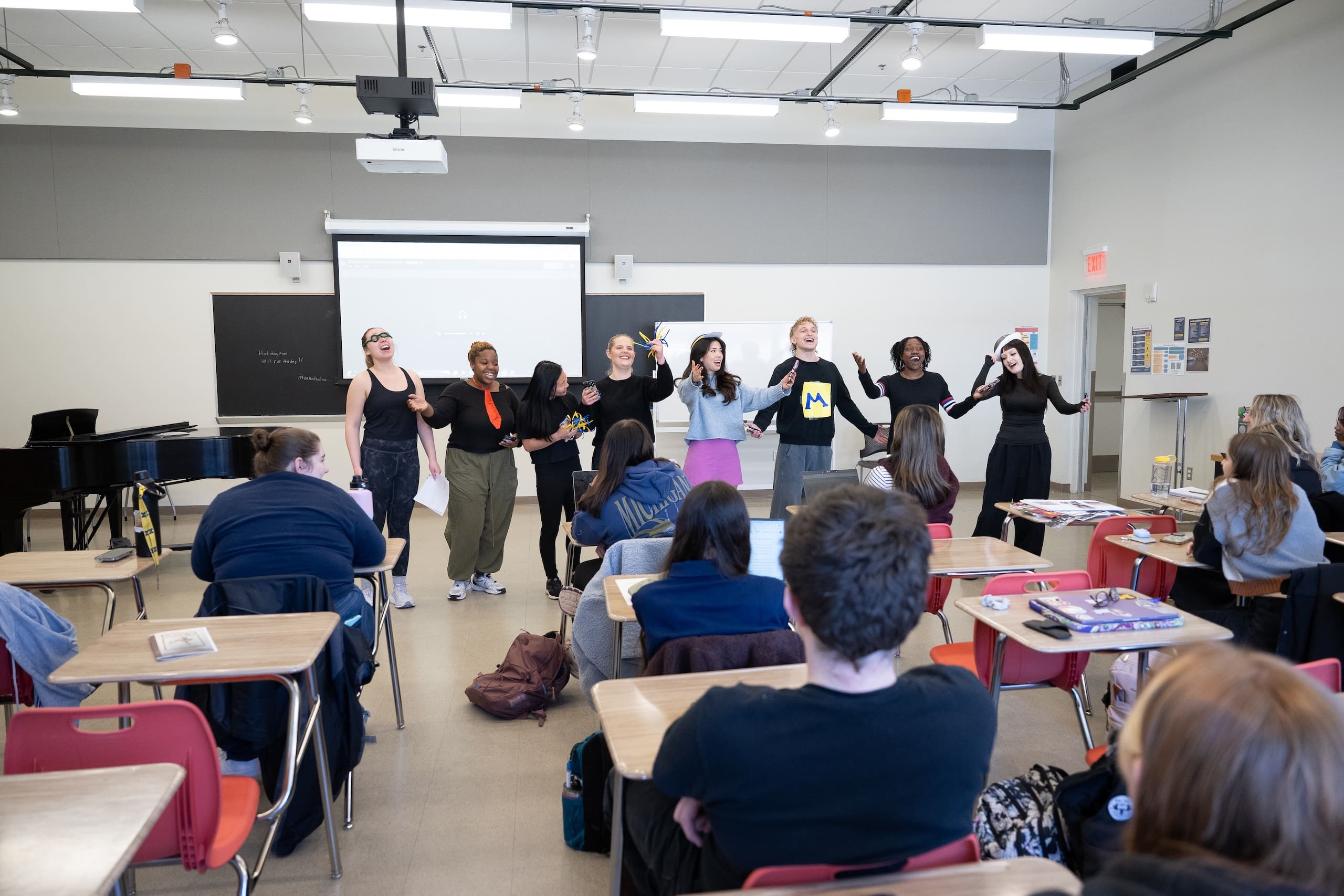
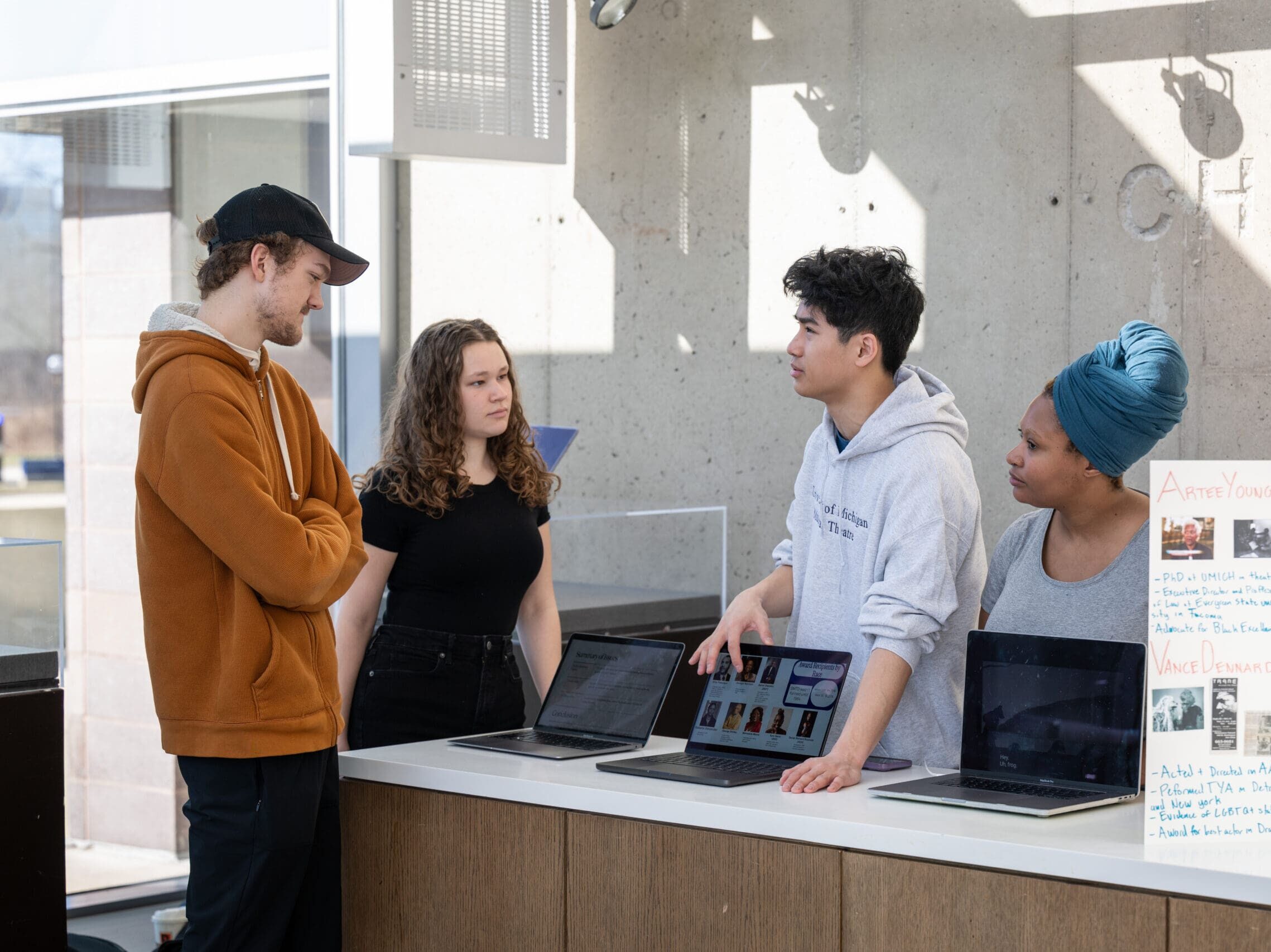
One course held a public event that took place at a local library at the end of the semester. The event included presentations from students on their experiences in the course.
Students conducted original archival and oral history research that uncovered underrepresented histories connected to the U-M community. Their work resulted in new public-facing projects—including a website, documentary trailer, presentations, and an educational card game—that preserved and amplified stories not commonly represented in institutional narratives while contributing new perspectives for future researchers.
One course created a repository of materials sourced from the Bentley Historical Library archives to write an accompanying guide for future community members connected to the department who continue to research and share histories of equity and justice.
One instructor authored a published article that was designed as a foundational reading for students in the course. The article provided a scholarly yet accessible narrative of a key figure in the course and contextualized his achievements and challenges within the broader history of U-M.
An instructor delivered public presentations at local libraries focused on key themes of the course, the course’s engagement with the Inclusive History Project, and its impact in the broader community.
Two course co-instructors wrote an extended abstract, drawing on artifacts gathered during the course redesign, which they will present at a conference. Using this paper as a starting point, the co-instructors authored a manuscript that will be submitted to an open-access scholarly journal.
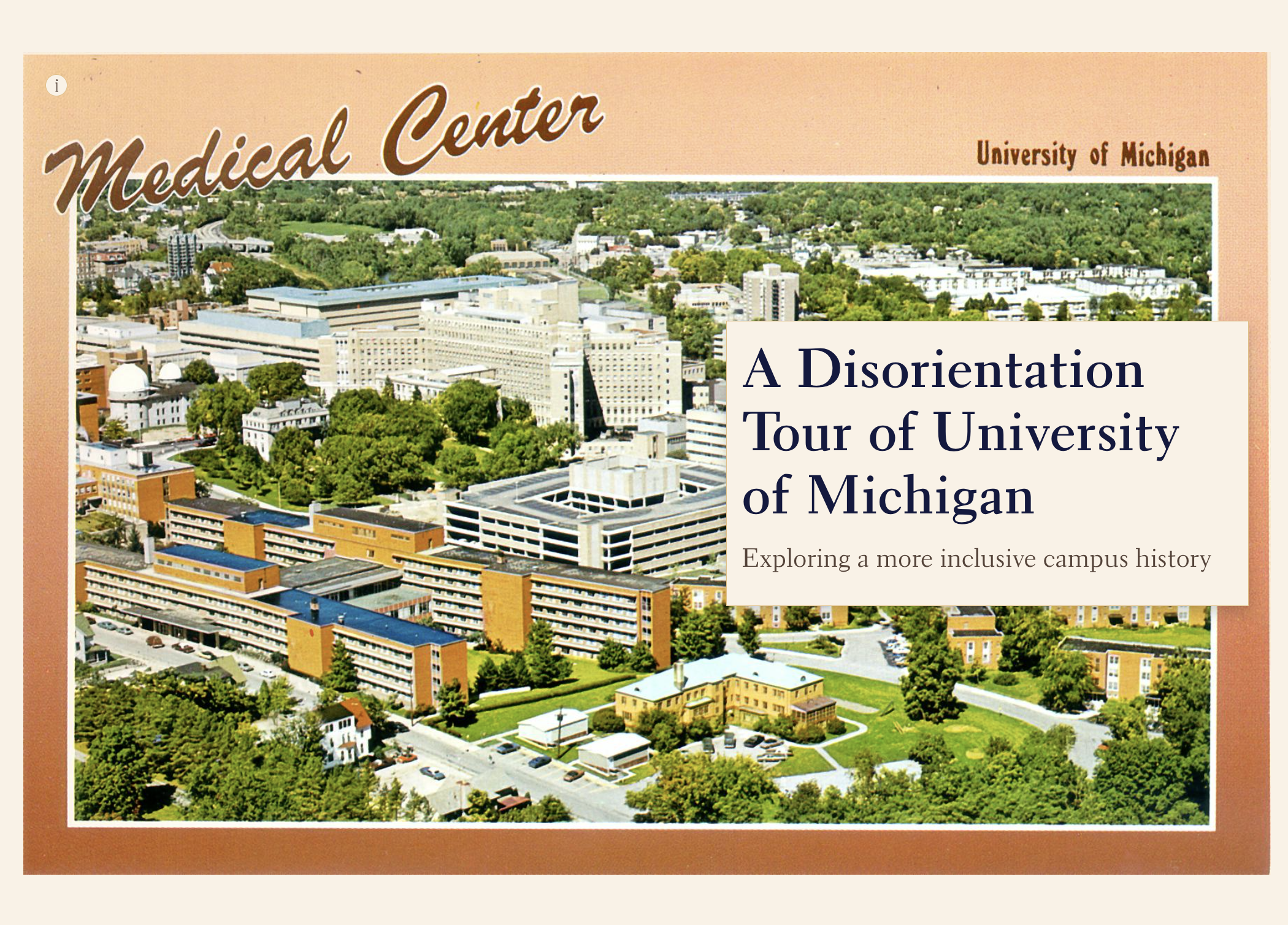
Numerous courses produced StoryMaps to share research findings and course resources more broadly. Some were student-led while others were developed by grantees as a resource for students and others.


 Close
 Close