Land Acknowledgment Statement

The University of Michigan does not have a single institutional land acknowledgment statement for its three campuses, nor for the numerous properties it owns across the state of Michigan. In the absence of such a statement, this webpage instead explains the purpose of land acknowledgments, addresses some of their shortcomings, and highlights several of the different statements currently in use at U-M.

On Land Acknowledgments

Land acknowledgments (sometimes called territorial acknowledgments) are formal, public statements that recognize the Indigenous peoples who have lived on and continue to care for the land where a building, institution, or activity is located. The statements often name the specific tribes or nations with ancestral ties to the surrounding region, affirming their history and enduring connections to a given place.

They are typically read aloud at the beginning of public events, printed in institutional publications, listed on websites, or included in email signatures. Land acknowledgments also take physical form, appearing on plaques, signs, and art installations.

Land acknowledgments can serve several purposes. They are meant to raise awareness of historical processes—including colonization, dispossession, and forced displacement—as well as their ongoing impacts on Indigenous communities today. They may also educate audiences about Indigenous peoples and the histories of the lands Indigenous communities have traditionally occupied and continue to steward. An effective land acknowledgment can prompt reflection on the institution’s relationships and responsibilities to Indigenous communities, encouraging awareness of historical legacies, including difficult and painful histories, and present-day responsibilities.

In the United States, as well as other counties such as Canada, New Zealand, and Australia, land acknowledgments are typically written in English, and often accompanied by a translation in an Indigenous language. Several acknowledgments in use at U-M include translations in Anishinaabemowin, the language of the Anishinaabeg (Chippewa/Ojibwe, Odawa/Ottawa, and Potawatomi/Bodéwadmi). Bilingual signage affirms the distinctiveness and perseverance of Indigenous cultures and reflects ongoing efforts by Indigenous communities to revitalize their languages and culture.

However, critics say that land acknowledgments are empty gestures if not accompanied by more meaningful action, such as the return of land to Indigenous communities or Indigenous-specific institutional support (e.g., cultural spaces, dedicated support staff, scholarships, mentorship) for Native American students. Simply naming Indigenous nations or identifying their traditional homelands without meaningfully supporting their communities risks reducing the acknowledgment to mere performance. Additionally, land acknowledgments are critiqued for being overtly political statements that force a certain viewpoint on those that read or hear them. They are also critiqued for being idealistic and assuming outcomes that rarely materialize.
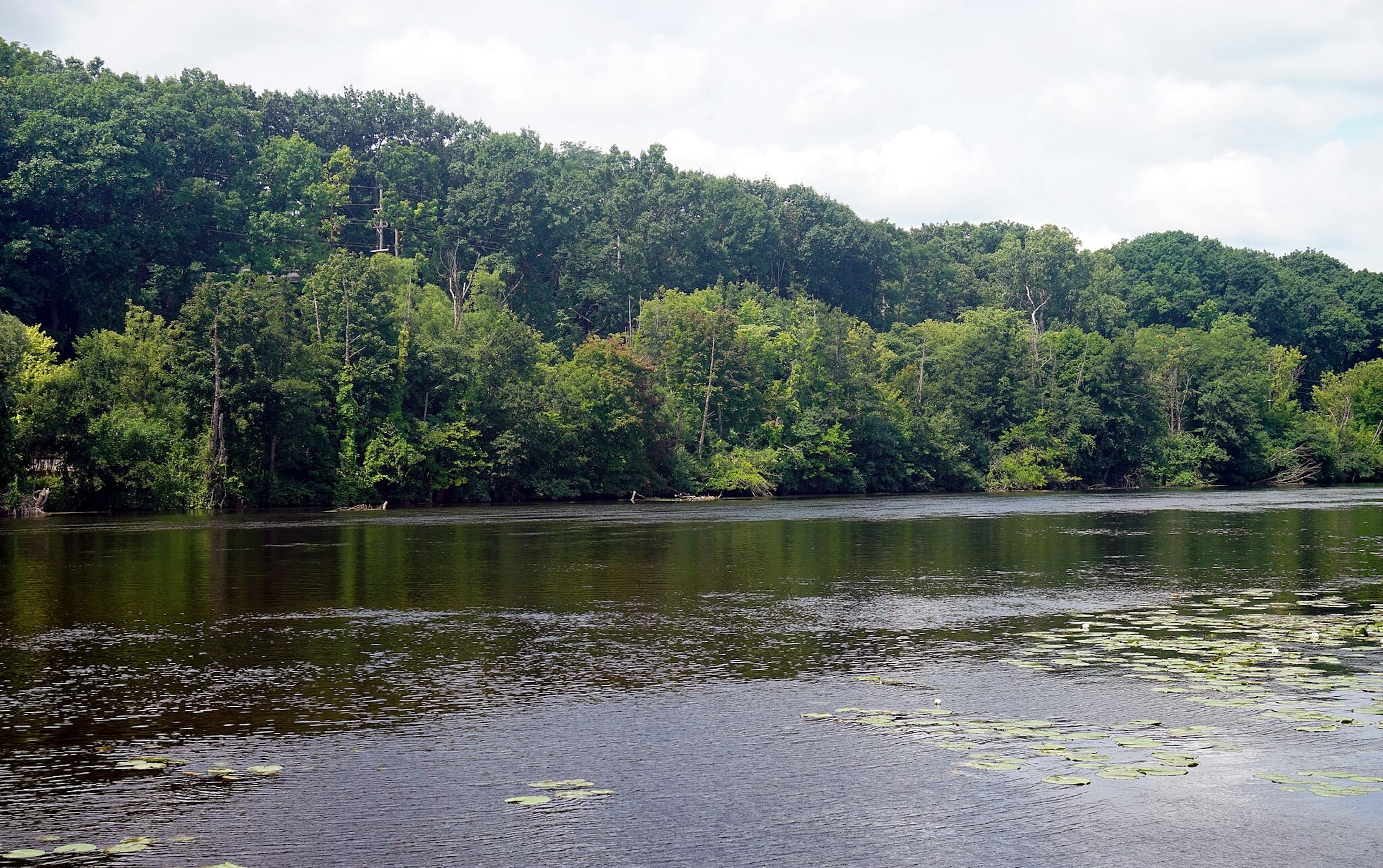
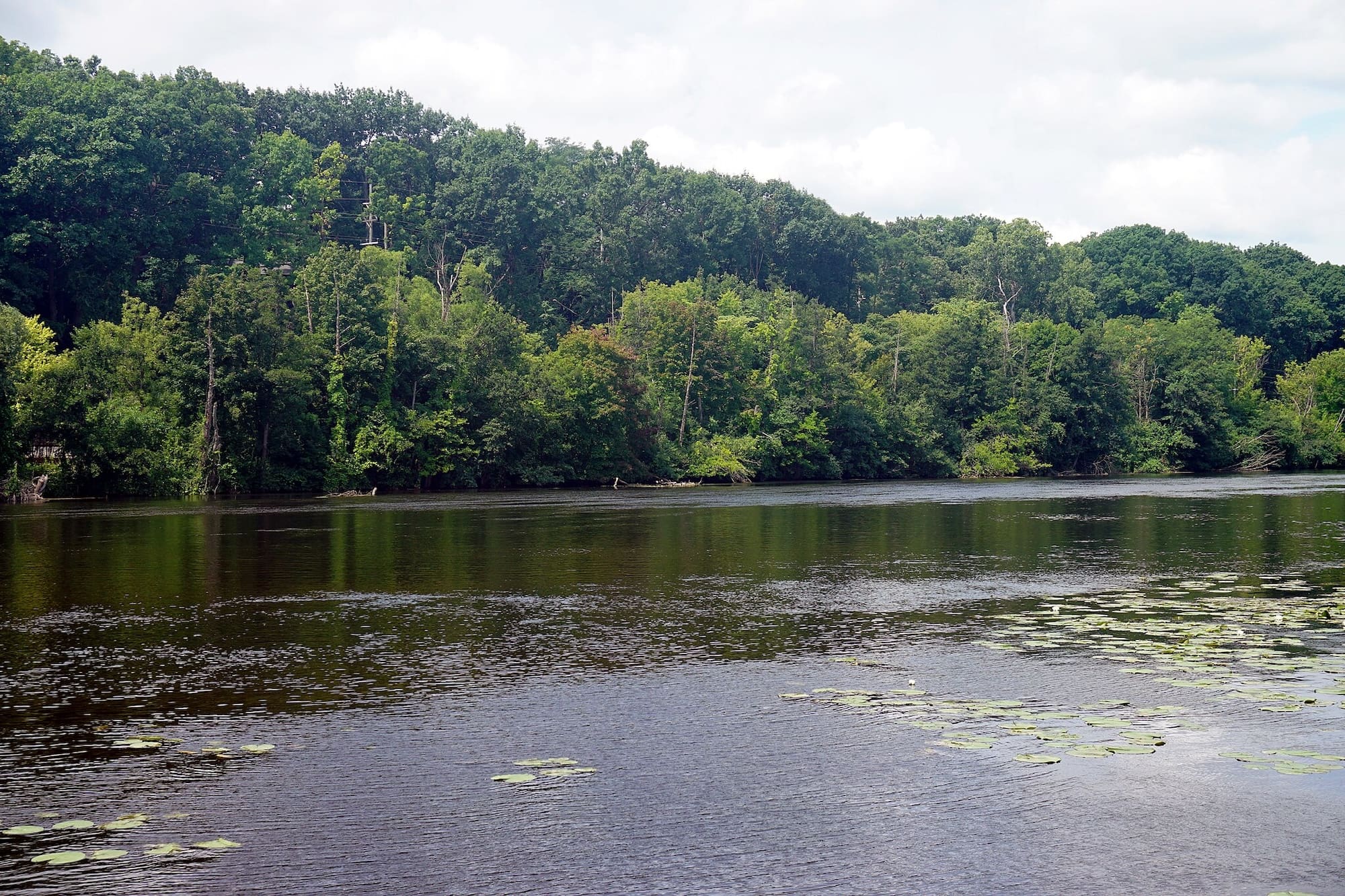
 

Huron River bank in Ann Arbor with green trees in the background.

On Land Acknowledgments at the University of Michigan

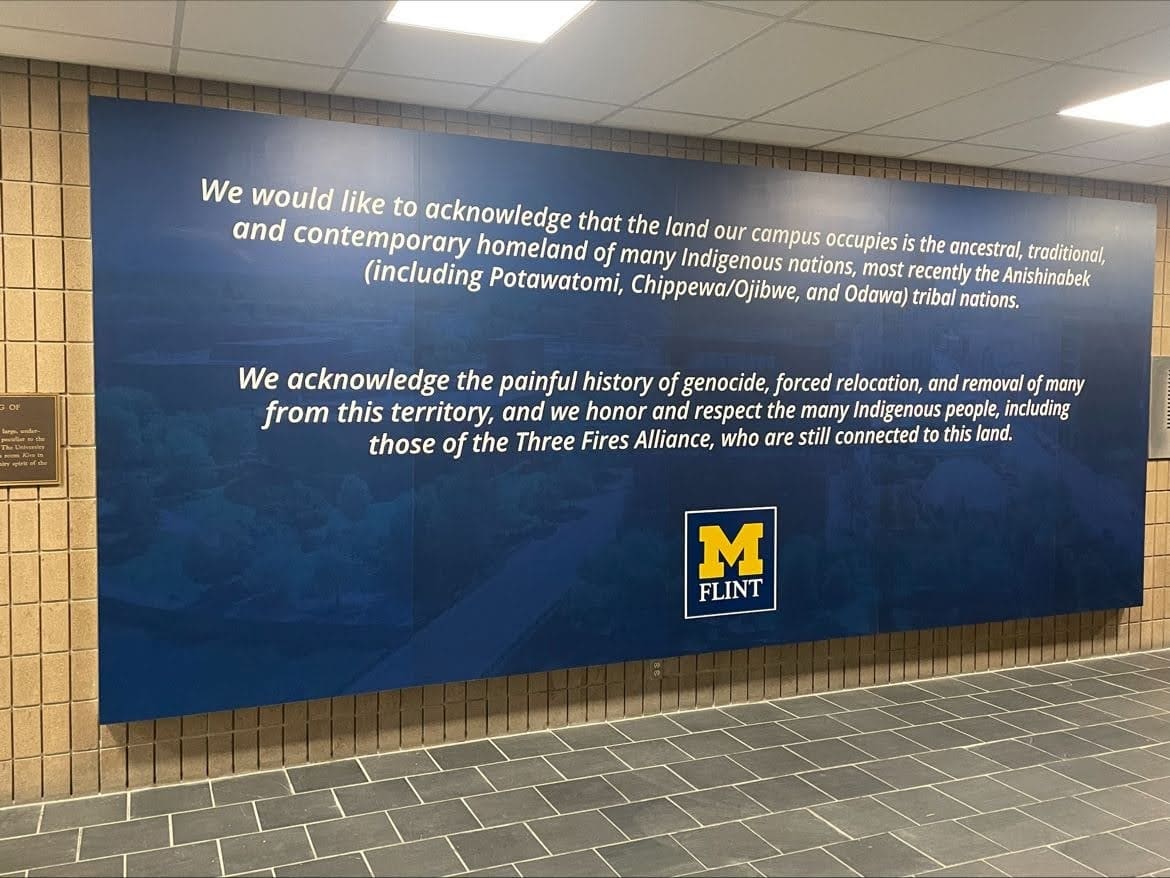
Mural on a wall inside the Harding Mott University Center at UM Flint, bearing the campus' land acknowledgement.

A variation of the UM-Flint land acknowledgment at the Harding Mott University Center | Courtesy of David Luke

The University of Michigan does not currently maintain a tri-campus, formally-adopted land acknowledgment statement. In the absence of an official university acknowledgment, many campus units and individuals have taken the initiative to craft their own statements. Notably, both UM-Flint and UM-Dearborn have adopted official statements.

UM-Flint Land Acknowledgment

“We would like to acknowledge that the land we are meeting on today is the ancestral, traditional, and contemporary homeland of many Indigenous nations, most recently the Anishinabek (including Potawatomi, Chippewa/Ojibwe, and Odawa) tribal nations.

We acknowledge the painful history of genocide, forced relocation, and removal of many from this territory, and we honor and respect the many Indigenous people, including those of the Three Fires Alliance, who are still connected to this land on which we gather.”

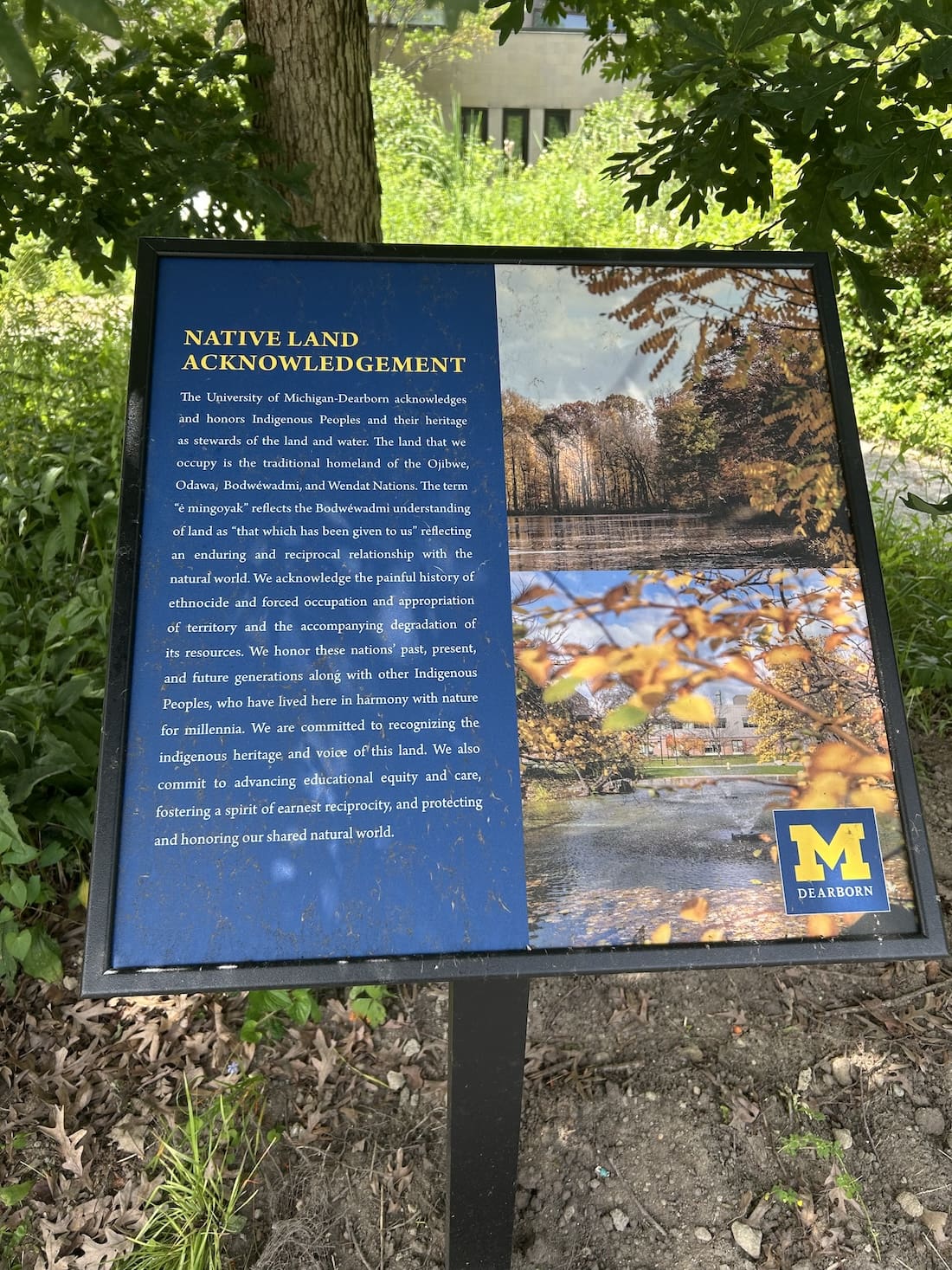
UM-Dearborn Land Acknowledgment

“The University of Michigan-Dearborn acknowledges and honors Indigenous Peoples and their heritage as stewards of the land and water. The land that we occupy is the traditional homeland of the Ojibwe, Odawa,  Bodwéwadmi, and Wendat Nations. The term “ė mingoyak” reflects the Bodwéwadmi understanding of land as “that which has been given to us” reflecting an enduring and reciprocal relationship with the natural world. We acknowledge the painful history of ethnocide and forced occupation and appropriation of territory and the accompanying degradation of its resources. We honor these nations’ past, present, and future generations along with other Indigenous Peoples, who have lived here in harmony with nature for millennia. We are committed to recognizing the indigenous heritage and voice of this land. We also commit to advancing educational equity and care, fostering a spirit of earnest reciprocity, and protecting and honoring our shared natural world.”

UM-Ann Arbor

On the Ann Arbor campus, Native American students, faculty, and U-M community members, including the Native American Student Task Force Committee formed in 2018, have long advocated for the creation and institutionalization of a land acknowledgment, viewing it as a meaningful part of broader efforts to support Native American student belonging and academic success. Despite this, no campus-wide statement has yet been adopted.

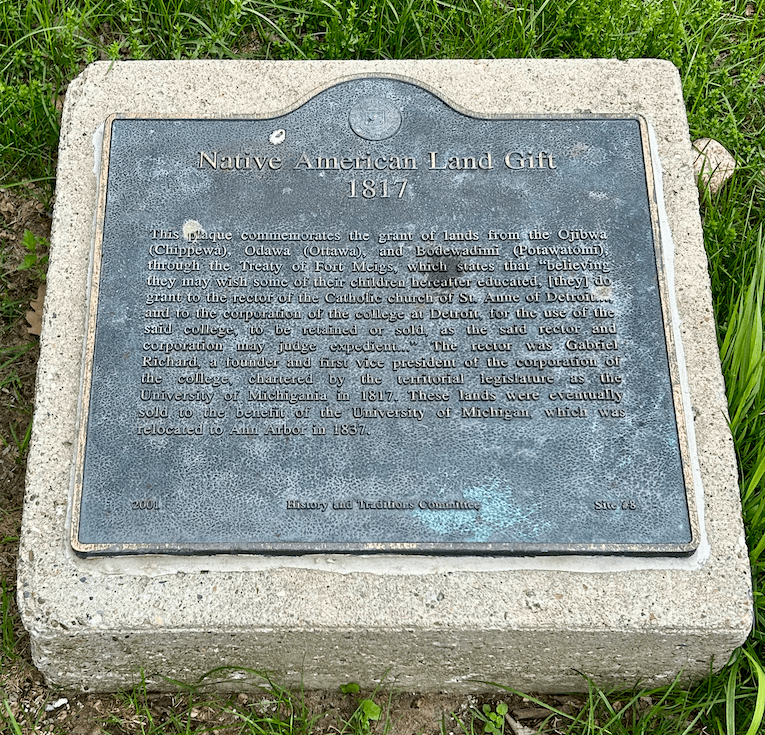
A small plaque, installed in 2001 on U-M’s central campus in Ann Arbor by the History and Traditions Committee, is one way in which the university acknowledges its connections to Anishinaabe people and Anishinaabewaki (the homeland of the Anishinaabeg). The plaque is not a conventional land acknowledgment, but rather an acknowledgment of a grant of land that U-M’s predecessor institution, the Catholepistemiad, or University of Michigania, which housed the “college at Detroit,” received from some of the Michigan Anishinaabeg in 1817 through Article 16 of the Treaty of Fort Meigs. Alongside land acknowledgments read at events or posted on department websites, the plaque is one of the few visible commemorations of U-M’s ties to the Anishinaabeg.

Additionally, the Office of the Vice President for Communications offers a Statement on the Anishinaabe Land Transfer, which is accessible on a page of Boilerplate editorial resources.

Outdoor sign displaying the UM-Dearborn campus land acknowledgement.

UM-Dearborn Land Acknowledgment at the Environmental Interpretive Center | Courtesy of Martin Hershock

The IHP’s Work to Better Acknowledge Article 16 & the 1817 Treaty of Fort Meigs

The Inclusive History Project does not have the authority to produce or mandate a university-wide land acknowledgment statement. However, in alignment with the recommendations of Native American students and community members, the IHP’s 1817 Project: Land, Culture, Memory, and Repair is working to better acknowledge that the 1817 Treaty of Fort Meigs is a foundational moment in the history of the University of Michigan and that all three U-M campuses are located on Anishinaabe homelands.

To learn more about Article 16 of the 1817 Treaty of Fort Meigs and its role in U-M’s early development, please see the following educational resources produced by the 1817 Project:

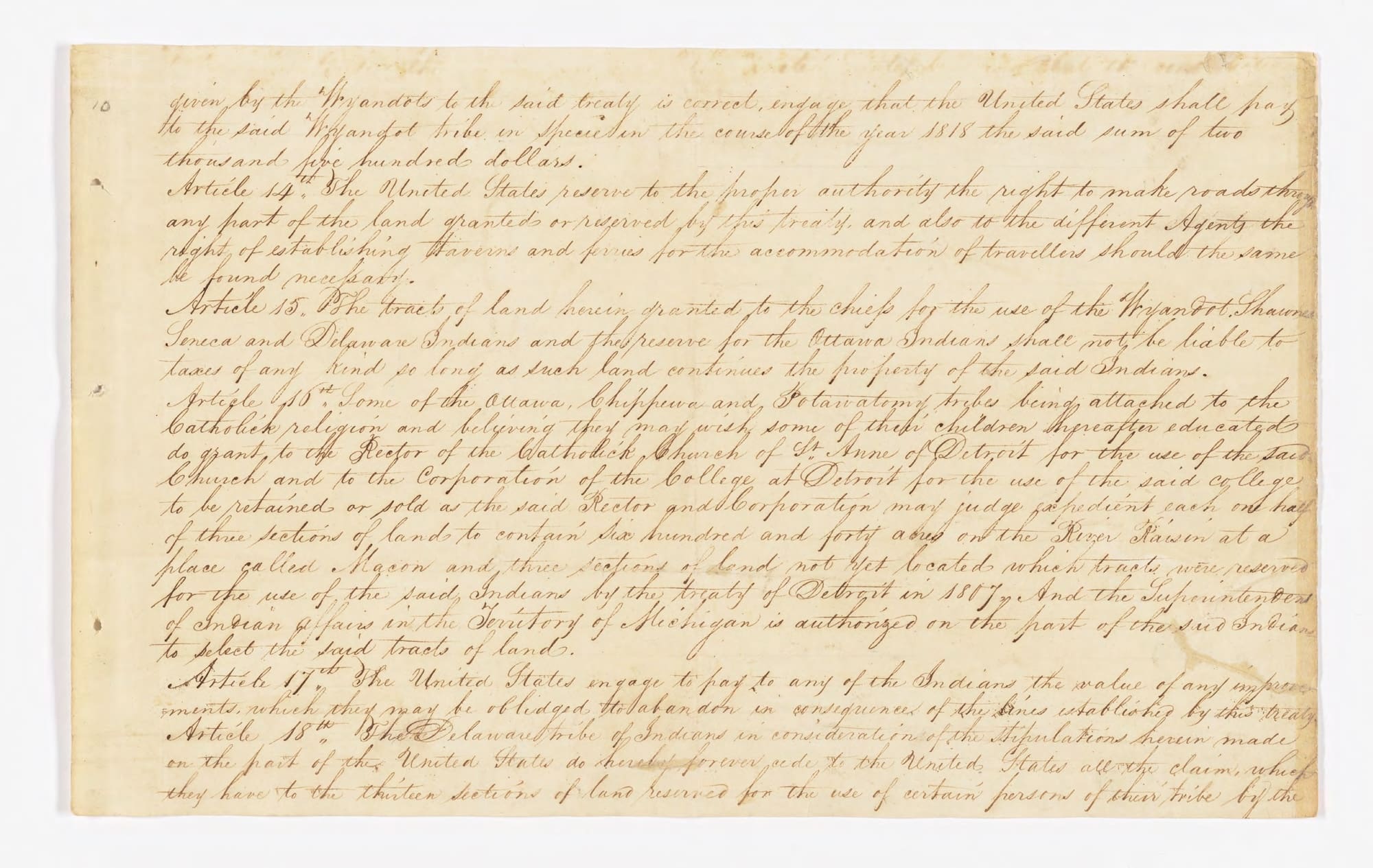
Additionally, we invite you to read Article 16 in full below. What does it reveal to you about the relationship between the University of Michigan (whose predecessor was the “college at Detroit”) and the Anishinaabeg signatories?

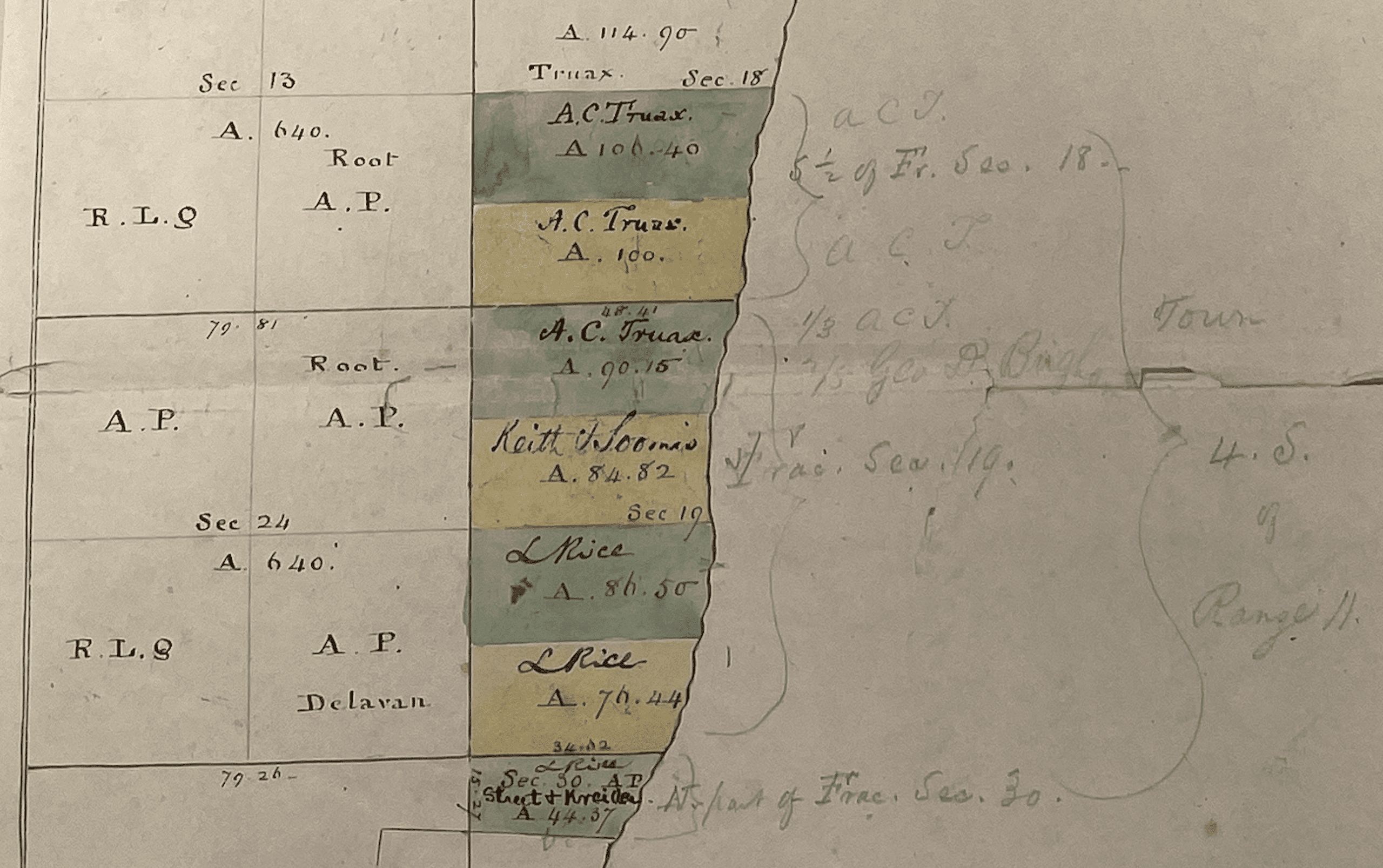
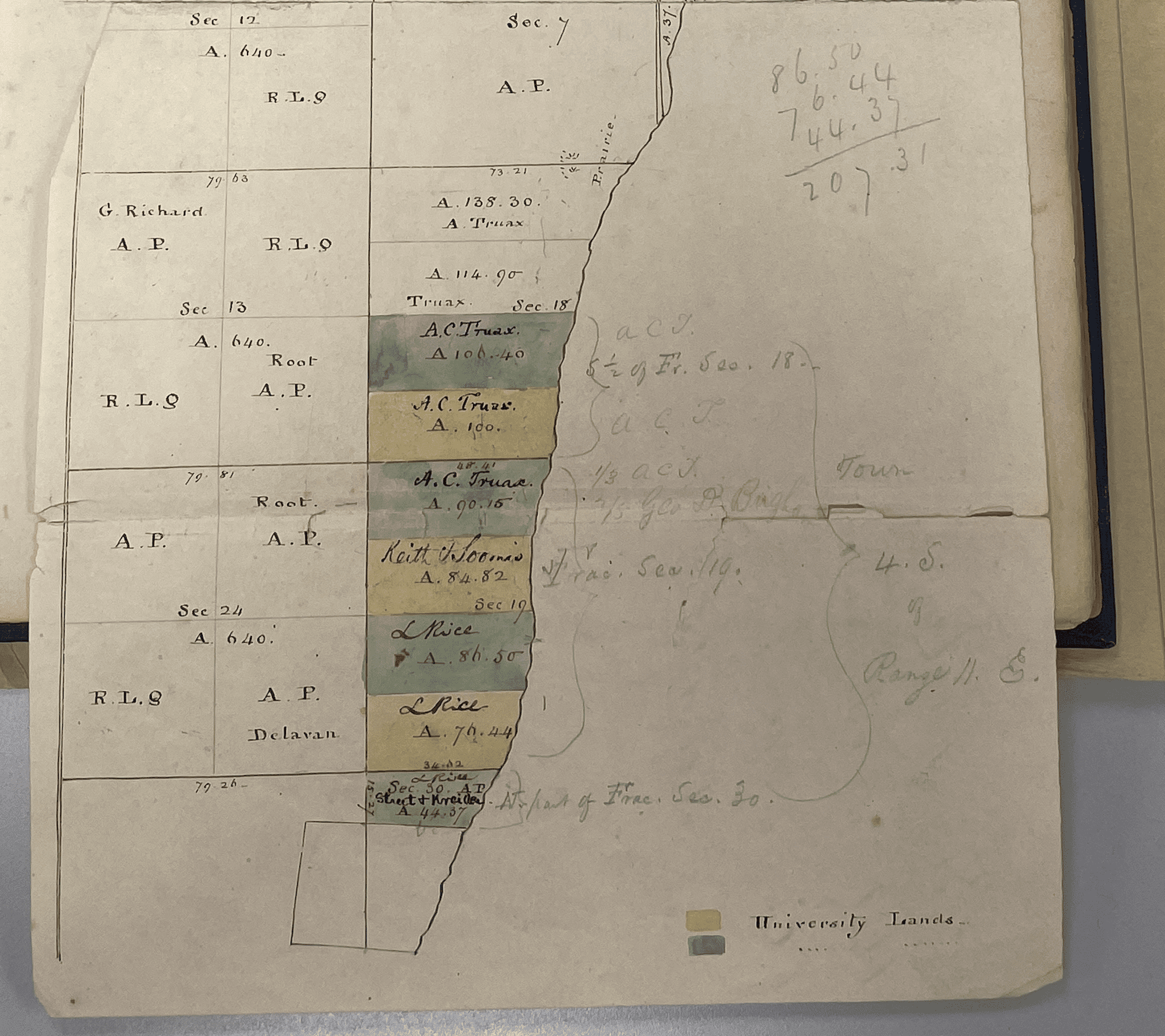
Some of the Ottawa, Chippewa, and Potawatomy tribes, being attached to the Catholic religion, and believing they may wish some of their children hereafter educated, do grant to the rector of the Catholic church of St. Anne of Detroit, for the use of the said church, and to the corporation of the college at Detroit, for the use of the said college, to be retained or sold, as the said rector and corporation may judge expedient, each, one half of three sections of land, to contain six hundred and forty acres, on the river Raisin, at a place called Macon and three sections of land not yet located, which tracts were reserved, for the use of the said Indians, by the treaty of Detroit, in one thousand eight hundred and seven; and the superintendent of Indian affairs, in the territory of Michigan, is authorized, on the part of the said Indians, to select the said tracts of land. — Article 16, 1817 Treaty of Fort Meigs (also known as the Treaty of the Rapids)

We also encourage you to reflect on the University of Michigan’s land acknowledgment practices by viewing a curated set of statements used by different campus units. Observe the differences in language across the statements, including the use of Anishinaabemowin, references to the Treaty of Fort Meigs, and gestures to U-M’s present-day responsibilities toward Indigenous communities.


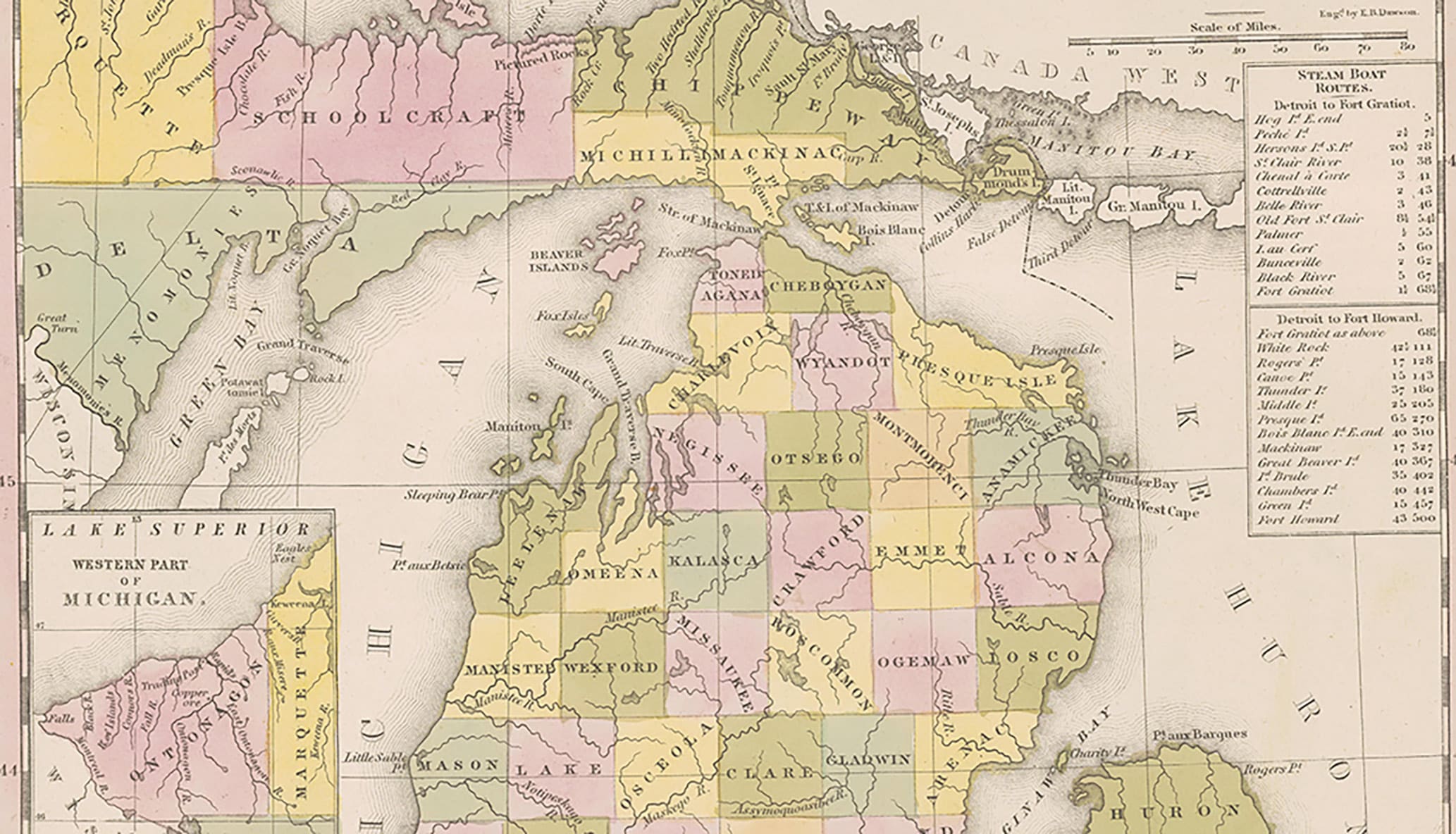
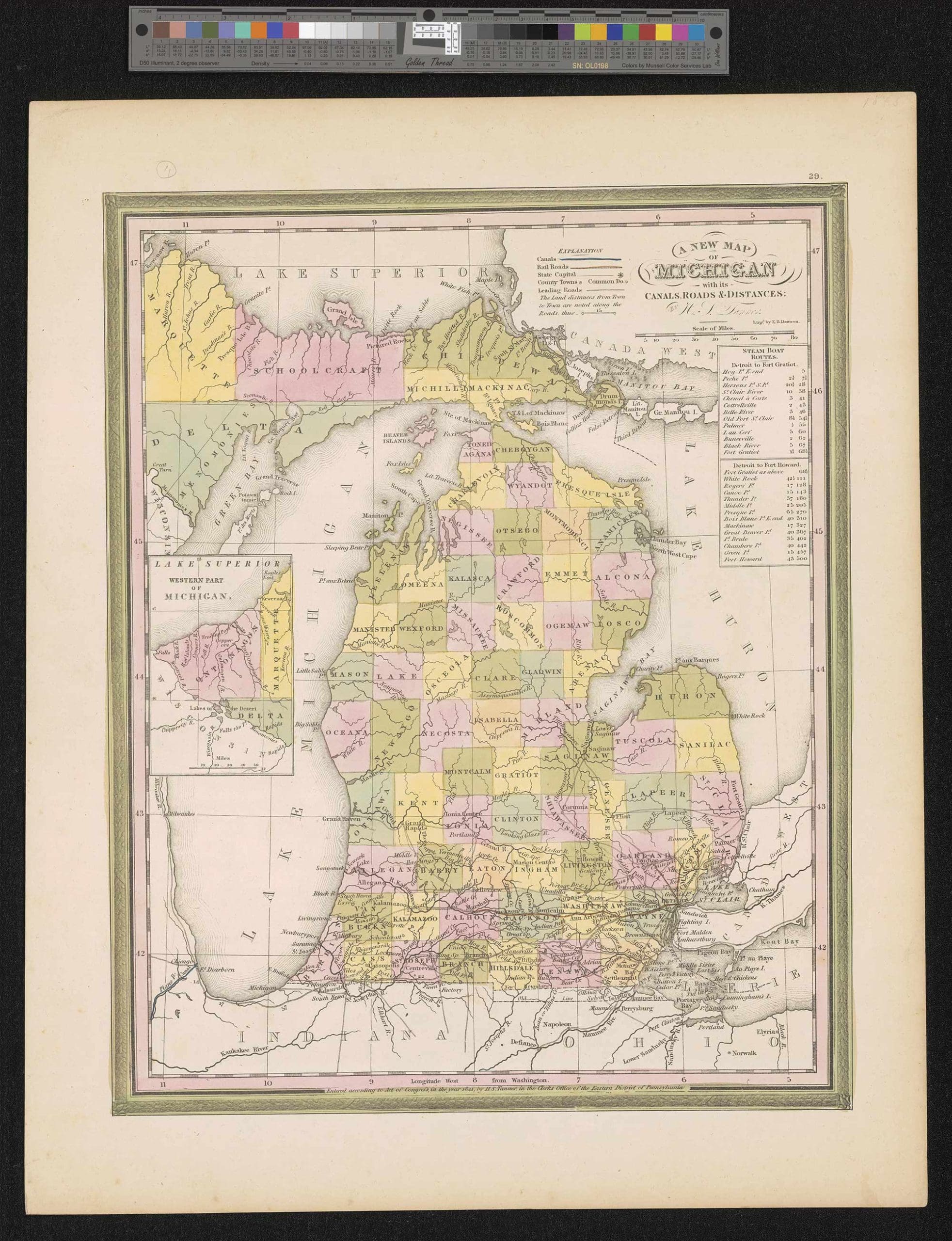
A new map of Michigan with its canals, roads & distances, 1841

Learn More About the 1817 Project

The 1817 Project: Land, Culture, Memory, and Repair critically examines the University of Michigan’s historical and ongoing relationship to Indigenous land and communities. Centered on Article 16 of the 1817 Treaty of Fort Meigs, the project investigates how land dispossession and university expansion were intertwined and traces the financial, legal, and cultural legacies of that history. It also explores Native American student experiences and activism, revealing the university’s contradictory responses to calls for accountability, inclusion, and repair.

Further Reading

Many resources exist for learning more about land acknowledgments and their uses.

For guidance from Indigenous organizations on creating land acknowledgments, as well as critiques and debates about their significance, see:

For a book-length study of the university’s early history, its ties to the Treaty of Fort Meigs and the Anishinaabeg people of Michigan, and the creation of the Treaty of Fort Meigs acknowledgment plaque, see: